
LGBTQ+
US Corporations Pull Support From Pride Events

“
Pride Events Struggle with Budget Shortfalls as US Corporations Pull Support
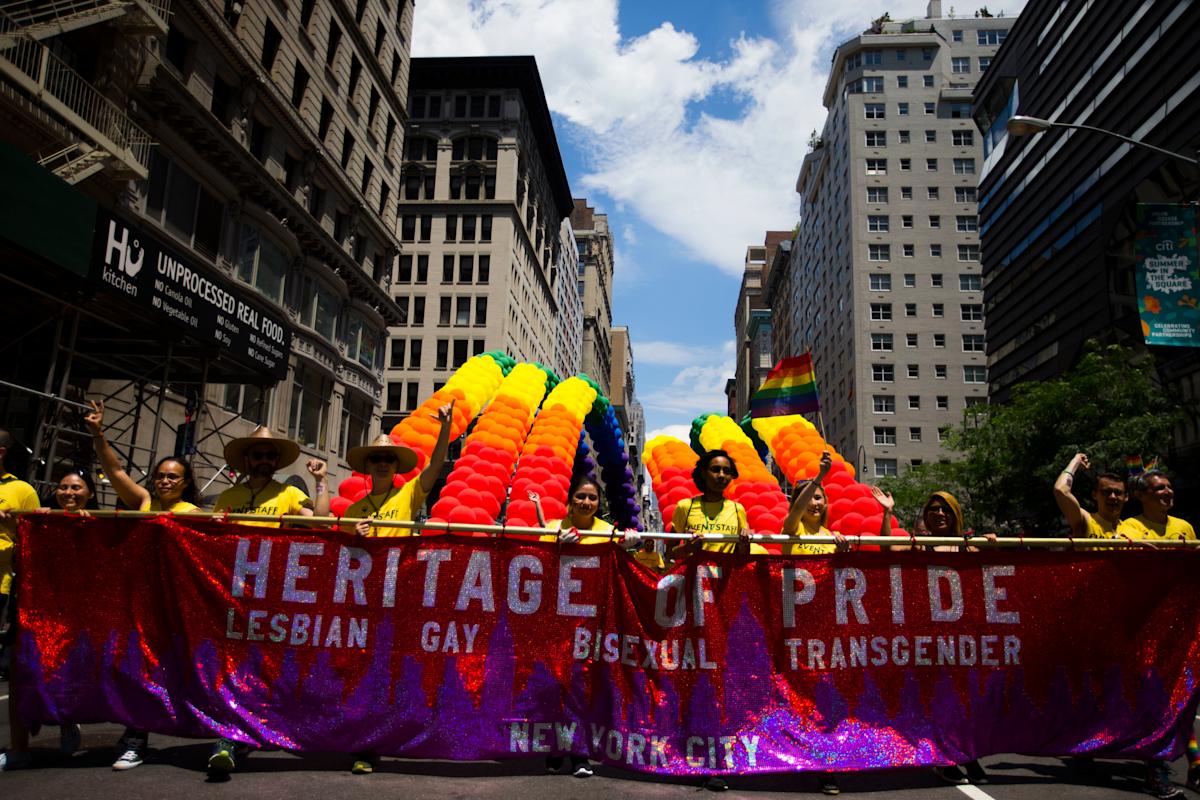
As the summer season approaches, Pride events across the United States are facing significant budget shortfalls. The main culprit behind these financial struggles? A sudden withdrawal of support from US corporations. For years, many companies have been eager to showcase their commitment to diversity and inclusivity by sponsoring Pride events. However, it appears that this trend is reversing, leaving event organizers scrambling to make ends meet.
The Changing Landscape of Corporate Support
In recent years, corporate America has been increasingly vocal about its support for the LGBTQ+ community. Many companies have proudly displayed their rainbow-colored logos and participated in Pride events, touting their commitment to equality and inclusivity. However, with growing scrutiny over issues like social responsibility and brand authenticity, some corporations are reevaluating their sponsorship strategies.
According to event organizers and advocacy groups, several major US corporations have pulled their support from Pride events in recent months. While some companies have cited financial constraints or shifting priorities, others have reportedly grown cautious about associating with events that have become increasingly politicized.
The Financial Impact on Pride Events
The loss of corporate support has significant financial implications for Pride events, which often rely heavily on sponsorships to cover operational costs. These costs can include everything from venue rentals and talent fees to marketing and security expenses. Without the backing of major corporations, event organizers are struggling to make up the shortfall.
Many Pride events are now facing difficult decisions about how to proceed. Some organizers are exploring alternative funding sources, such as crowdfunding campaigns or government grants. Others are scaling back their events or postponing them altogether. The financial strain has also led to concerns about the long-term viability of these events, which have become a staple of LGBTQ+ culture and celebration.
The Broader Implications for the LGBTQ+ Community
The decline in corporate support for Pride events has far-reaching implications for the LGBTQ+ community. These events serve not only as celebrations but also as vital platforms for advocacy and awareness. By pulling their support, corporations are inadvertently undermining the visibility and momentum that Pride events provide.
Moreover, the loss of corporate backing raises questions about the future of LGBTQ+ advocacy. Will community organizations and advocacy groups be able to fill the funding gap, or will the lack of resources stifle progress? As the community looks to the future, it is clear that finding innovative solutions to these challenges will be crucial.
Adapting to a New Reality
In response to the shifting landscape, event organizers and advocacy groups are exploring new strategies to ensure the long-term sustainability of Pride events. This includes diversifying funding sources, building stronger relationships with local businesses and community organizations, and reimagining the way events are planned and executed.
While the road ahead will undoubtedly be challenging, the resilience and determination of the LGBTQ+ community will be critical in overcoming these obstacles. By coming together and leveraging their collective strength, it is possible to create a more inclusive and supportive environment for all.
As the summer months approach, the fate of Pride events across the United States hangs in the balance. While there are valid concerns about the future of these celebrations, there is also a sense of hope and determination. By embracing change and working together, the LGBTQ+ community can ensure that Pride events continue to thrive, even in the face of adversity.
In conclusion, the withdrawal of corporate support from Pride events presents a complex challenge for the LGBTQ+ community. However, by understanding the changing landscape of corporate support, exploring new funding strategies, and building stronger community relationships, it is possible to create a more sustainable future for these vital celebrations.
”
Transphobia Is Not Victimless: Online Queer Communities Remember Charlotte Fosgate
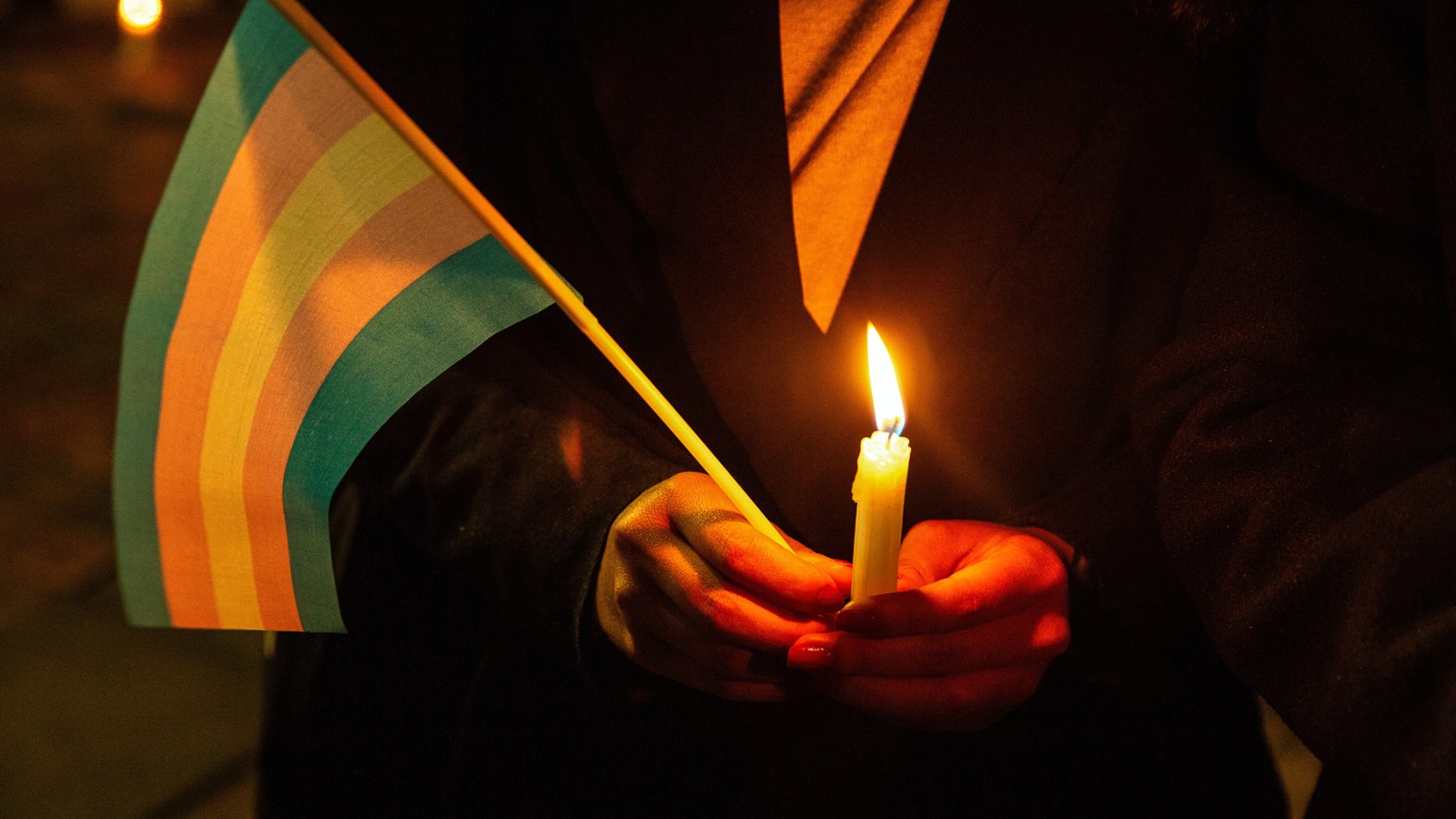
The recent passing of Charlotte Fosgate, a beloved member of the online queer community, has brought to light the devastating impact of transphobia on individuals and communities. As we remember Charlotte’s life and legacy, it’s essential to acknowledge the harm caused by transphobic rhetoric and behaviors, particularly in online spaces. Transphobia is often perceived as a victimless crime, but the reality is that it has severe and long-lasting consequences for those targeted and for the community as a whole.
The Ripple Effects of Transphobia
Transphobia, like any form of prejudice, can have far-reaching and damaging effects on individuals, communities, and society at large. When left unchecked, transphobic language and behavior can create a culture of fear, anxiety, and marginalization. This can lead to increased rates of depression, anxiety, and suicidal ideation among trans individuals, who already face significant barriers to accessing healthcare and social support.
The impact of transphobia is not limited to the individual; it also affects the broader queer community. When transphobic rhetoric is allowed to go unchallenged, it can create a toxic environment that drives a wedge between different members of the community. This can lead to feelings of isolation, disconnection, and disempowerment, ultimately undermining the collective progress and solidarity of the queer movement.
Remembering Charlotte Fosgate
Charlotte Fosgate was more than just a name; she was a vibrant and active member of the online queer community. Her passing has sent shockwaves through the community, with many taking to social media to share their condolences, memories, and stories about her life. Charlotte’s legacy serves as a poignant reminder of the importance of creating safe, inclusive, and supportive online spaces for all members of the queer community.
Through her online presence, Charlotte inspired countless individuals with her courage, resilience, and unwavering commitment to social justice. Her love, kindness, and generosity of spirit have left an indelible mark on the lives of those who knew her, and her memory will continue to inspire and motivate others to work towards a more just and equitable world.
Breaking Down Barriers and Building Support
As we remember Charlotte and reflect on the impact of transphobia, it’s essential that we take concrete steps to create a more inclusive and supportive environment for all members of the queer community. This includes actively challenging transphobic language and behavior, promoting education and awareness about trans issues, and providing resources and support for trans individuals.
One way to build support and solidarity is to engage in respectful and empathetic dialogue with others, particularly those who may hold different perspectives or opinions. By listening to and amplifying the voices of trans individuals and communities, we can work towards a deeper understanding of the issues they face and develop more effective strategies for addressing them.
Creating a Culture of Inclusion and Respect
Creating a culture of inclusion and respect requires a multifaceted approach that involves individuals, communities, and institutions. This includes implementing policies and practices that promote diversity, equity, and inclusion, providing training and resources for educators and service providers, and engaging in ongoing dialogue and reflection about our own biases and assumptions.
By working together to create a more inclusive and respectful culture, we can help prevent harm, promote healing, and build stronger, more resilient communities. As we move forward, it’s essential that we prioritize the needs and voices of trans individuals and communities, recognizing that their struggles and triumphs are inextricably linked to our collective progress and well-being.
In the words of a community leader, ‘Transphobia is not victimless; it’s a form of violence that affects us all. Let’s work together to create a world where everyone can live without fear of persecution, rejection, or harm.’ As we remember Charlotte Fosgate and reflect on the impact of transphobia, let us recommit to building a world that values diversity, promotes inclusion, and celebrates the beauty and complexity of human experience.

Trump Pushes to Abolish Filibuster Amid Government Shutdown

Michael Saylor Predicts Bitcoin Will Rise 30% Per Year

Australia Defense Strategy



Trump Pushes to Abolish Filibuster Amid Government Shutdown
Michael Saylor Predicts Bitcoin Will Rise 30% Per Year