
Ekonomy
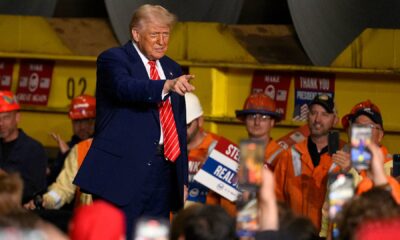
Trump Imposes 50 Percent Steel Tariffs on EU


“
EU Warns of Countermeasures as Trump Doubles Steel Tariffs to 50%
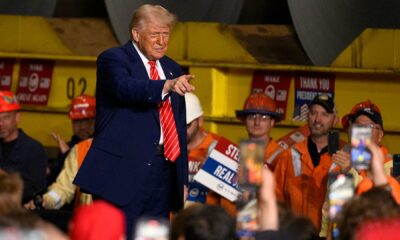
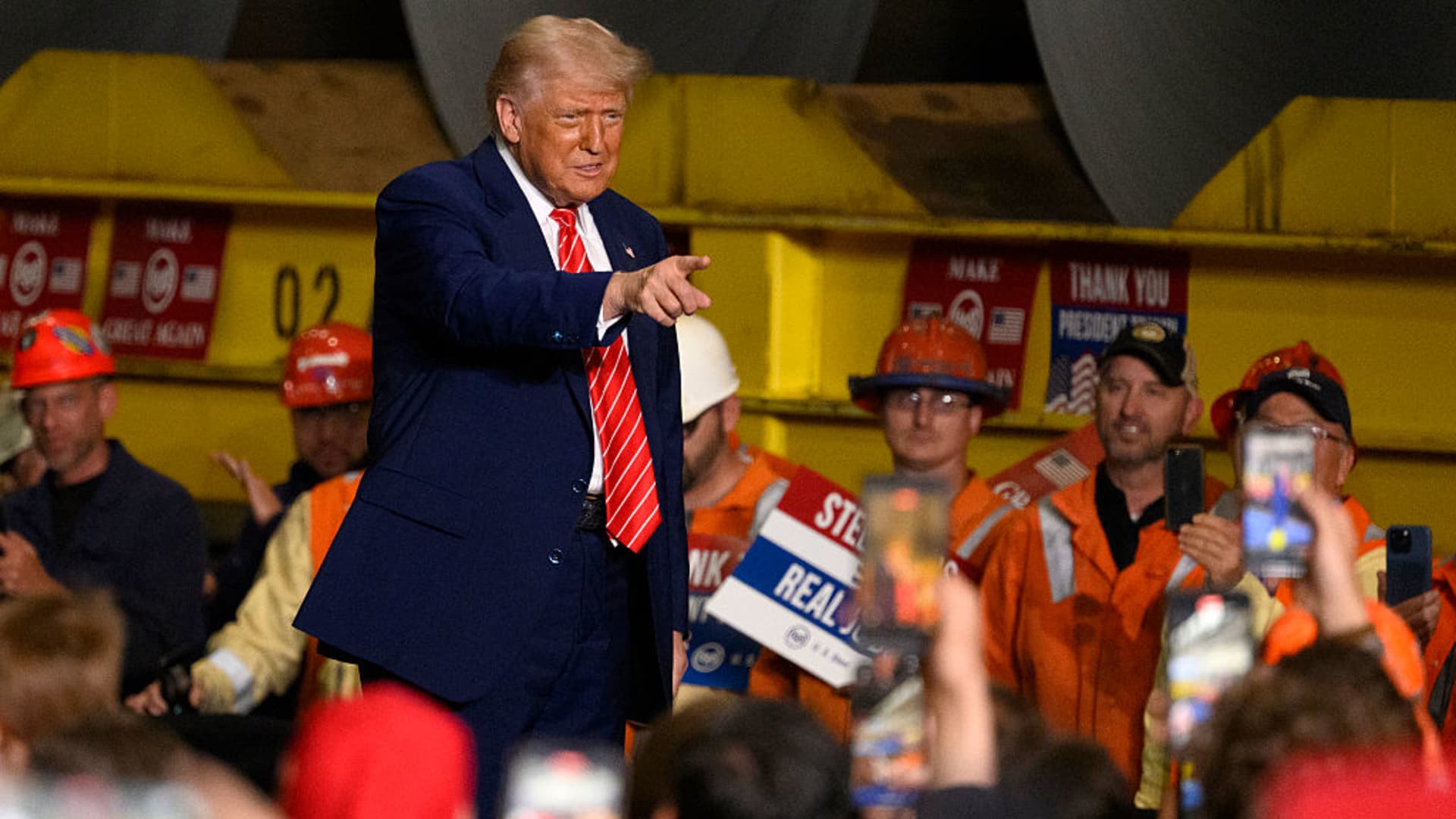
The ongoing trade tensions between the European Union and the United States have taken a significant turn. In a move that has raised concerns about a potential trade war, President Donald Trump has announced a doubling of steel tariffs to 50% on imports from the EU. The European Union has responded by stating that it is prepared to impose countermeasures to protect its interests.
What’s Behind the Tariff Increase?
The tariff increase comes as a result of the US Department of Commerce’s determination that steel imports from the EU pose a threat to national security. According to the US government, the increased tariffs are necessary to protect the domestic steel industry. However, the EU has expressed strong disagreement with this assessment, arguing that the tariffs will harm European businesses and lead to job losses.
Impact on European Businesses
The doubling of steel tariffs to 50% is expected to have a significant impact on European businesses that rely on steel imports from the US. Many European companies use steel as a critical component in their manufacturing processes, and the increased tariffs will likely lead to higher costs and reduced competitiveness. This could result in job losses and economic instability in the affected regions.
The EU has expressed concerns that the US decision to impose higher tariffs on steel imports will lead to a diversion of steel shipments to other countries, potentially flooding the European market and disrupting global supply chains. This could have far-reaching consequences for the global economy, particularly in industries that rely heavily on steel imports.
EU’s Response: Countermeasures and Negotiations
In response to the US tariff increase, the EU has stated that it is prepared to impose countermeasures to protect its interests. The EU has a range of options available, including imposing tariffs on US goods and taking legal action through the World Trade Organization (WTO). However, the EU has also expressed a willingness to engage in negotiations with the US to find a mutually acceptable solution.
Potential Consequences of a Trade War
The imposition of higher tariffs on steel imports and the potential EU countermeasures have raised concerns about a potential trade war between the US and the EU. A trade war could have significant consequences for the global economy, including higher prices for consumers, reduced economic growth, and job losses. The International Monetary Fund (IMF) has warned that a trade war could reduce global economic growth by up to 1.5%.
The EU and the US are among the world’s largest economies, and a trade war between them could have far-reaching consequences for global trade and economic stability. The situation is being closely monitored by businesses, policymakers, and economists around the world, who are concerned about the potential impact on the global economy.
What’s Next?
As the situation continues to unfold, businesses and investors are eagerly awaiting the next developments. The EU and the US are likely to engage in further negotiations to try to resolve their differences, but the outcome remains uncertain. One thing is clear, however: the stakes are high, and the consequences of a trade war could be severe.
In the meantime, companies and individuals will be watching closely to see how the situation develops. The impact on the global economy will depend on the actions taken by the EU and the US in the coming weeks and months. One thing is certain: the trade tensions between the EU and the US are likely to have significant and far-reaching consequences for the global economy.


“
EU Warns of Countermeasures as Trump Doubles Steel Tariffs to 50%
The ongoing trade tensions between the European Union and the United States have taken a significant turn. In a move that has raised concerns about a potential trade war, President Donald Trump has announced a doubling of steel tariffs to 50% on imports from the EU. The European Union has responded by stating that it is prepared to impose countermeasures to protect its interests.
What’s Behind the Tariff Increase?
The tariff increase comes as a result of the US Department of Commerce’s determination that steel imports from the EU pose a threat to national security. According to the US government, the increased tariffs are necessary to protect the domestic steel industry. However, the EU has expressed strong disagreement with this assessment, arguing that the tariffs will harm European businesses and lead to job losses.
Impact on European Businesses
The doubling of steel tariffs to 50% is expected to have a significant impact on European businesses that rely on steel imports from the US. Many European companies use steel as a critical component in their manufacturing processes, and the increased tariffs will likely lead to higher costs and reduced competitiveness. This could result in job losses and economic instability in the affected regions.
The EU has expressed concerns that the US decision to impose higher tariffs on steel imports will lead to a diversion of steel shipments to other countries, potentially flooding the European market and disrupting global supply chains. This could have far-reaching consequences for the global economy, particularly in industries that rely heavily on steel imports.
EU’s Response: Countermeasures and Negotiations
In response to the US tariff increase, the EU has stated that it is prepared to impose countermeasures to protect its interests. The EU has a range of options available, including imposing tariffs on US goods and taking legal action through the World Trade Organization (WTO). However, the EU has also expressed a willingness to engage in negotiations with the US to find a mutually acceptable solution.
Potential Consequences of a Trade War
The imposition of higher tariffs on steel imports and the potential EU countermeasures have raised concerns about a potential trade war between the US and the EU. A trade war could have significant consequences for the global economy, including higher prices for consumers, reduced economic growth, and job losses. The International Monetary Fund (IMF) has warned that a trade war could reduce global economic growth by up to 1.5%.
The EU and the US are among the world’s largest economies, and a trade war between them could have far-reaching consequences for global trade and economic stability. The situation is being closely monitored by businesses, policymakers, and economists around the world, who are concerned about the potential impact on the global economy.
What’s Next?
As the situation continues to unfold, businesses and investors are eagerly awaiting the next developments. The EU and the US are likely to engage in further negotiations to try to resolve their differences, but the outcome remains uncertain. One thing is clear, however: the stakes are high, and the consequences of a trade war could be severe.
In the meantime, companies and individuals will be watching closely to see how the situation develops. The impact on the global economy will depend on the actions taken by the EU and the US in the coming weeks and months. One thing is certain: the trade tensions between the EU and the US are likely to have significant and far-reaching consequences for the global economy.
“
EU Warns of Countermeasures as Trump Doubles Steel Tariffs to 50%
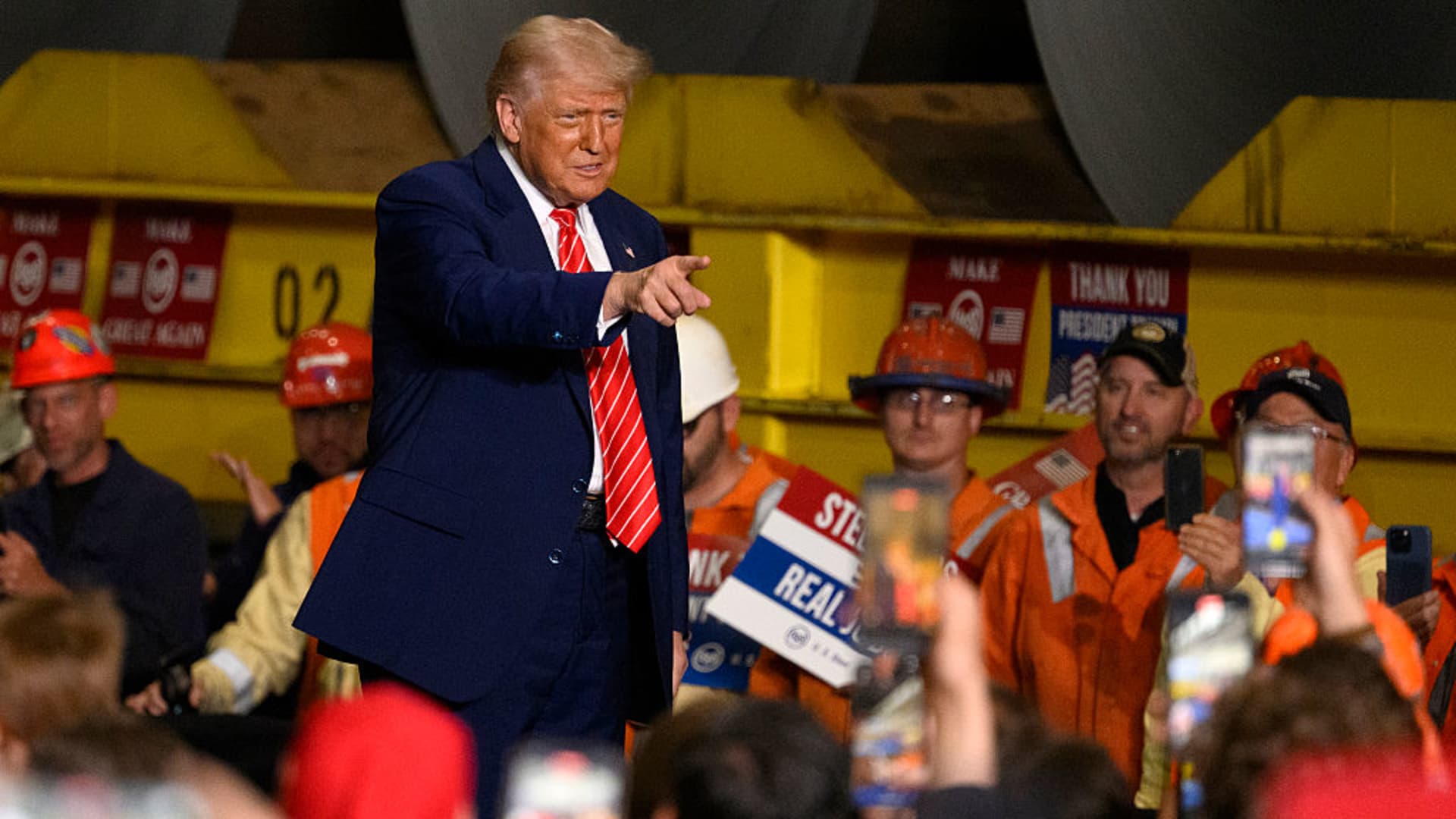
The ongoing trade tensions between the European Union and the United States have taken a significant turn. In a move that has raised concerns about a potential trade war, President Donald Trump has announced a doubling of steel tariffs to 50% on imports from the EU. The European Union has responded by stating that it is prepared to impose countermeasures to protect its interests.
What’s Behind the Tariff Increase?
The tariff increase comes as a result of the US Department of Commerce’s determination that steel imports from the EU pose a threat to national security. According to the US government, the increased tariffs are necessary to protect the domestic steel industry. However, the EU has expressed strong disagreement with this assessment, arguing that the tariffs will harm European businesses and lead to job losses.
Impact on European Businesses
The doubling of steel tariffs to 50% is expected to have a significant impact on European businesses that rely on steel imports from the US. Many European companies use steel as a critical component in their manufacturing processes, and the increased tariffs will likely lead to higher costs and reduced competitiveness. This could result in job losses and economic instability in the affected regions.
The EU has expressed concerns that the US decision to impose higher tariffs on steel imports will lead to a diversion of steel shipments to other countries, potentially flooding the European market and disrupting global supply chains. This could have far-reaching consequences for the global economy, particularly in industries that rely heavily on steel imports.
EU’s Response: Countermeasures and Negotiations
In response to the US tariff increase, the EU has stated that it is prepared to impose countermeasures to protect its interests. The EU has a range of options available, including imposing tariffs on US goods and taking legal action through the World Trade Organization (WTO). However, the EU has also expressed a willingness to engage in negotiations with the US to find a mutually acceptable solution.
Potential Consequences of a Trade War
The imposition of higher tariffs on steel imports and the potential EU countermeasures have raised concerns about a potential trade war between the US and the EU. A trade war could have significant consequences for the global economy, including higher prices for consumers, reduced economic growth, and job losses. The International Monetary Fund (IMF) has warned that a trade war could reduce global economic growth by up to 1.5%.
The EU and the US are among the world’s largest economies, and a trade war between them could have far-reaching consequences for global trade and economic stability. The situation is being closely monitored by businesses, policymakers, and economists around the world, who are concerned about the potential impact on the global economy.
What’s Next?
As the situation continues to unfold, businesses and investors are eagerly awaiting the next developments. The EU and the US are likely to engage in further negotiations to try to resolve their differences, but the outcome remains uncertain. One thing is clear, however: the stakes are high, and the consequences of a trade war could be severe.
In the meantime, companies and individuals will be watching closely to see how the situation develops. The impact on the global economy will depend on the actions taken by the EU and the US in the coming weeks and months. One thing is certain: the trade tensions between the EU and the US are likely to have significant and far-reaching consequences for the global economy.
”
Trumps Policies Spark High Interest Rates
The economic landscape under President Donald Trump’s administration has been marked by significant shifts, one of the most notable being the surge in interest rates. The policies implemented during his tenure have had far-reaching effects on the financial sector, contributing to an environment of higher interest rates. This phenomenon can be attributed to several factors, including economic uncertainty, the imposition of global tariffs, and the substantial deficits fueled by tax cuts.
The Ripple Effect of Economic Uncertainty
Economic uncertainty plays a crucial role in shaping interest rates. When investors and consumers are uncertain about the future economic outlook, they tend to become more cautious. This cautiousness can lead to decreased spending and investment, which in turn can cause interest rates to fluctuate. Under Trump’s presidency, the introduction of policies that have been perceived as unpredictable has contributed to this sense of uncertainty. The resultant effect has been an increase in interest rates as the market adjusts to the new economic realities.
Global Tariffs: A Double-Edged Sword
The imposition of global tariffs has been another significant factor influencing interest rates. Trump’s administration initiated a series of tariffs on imported goods, aiming to protect American industries and enforce fair trade practices. However, this move has had a multifaceted impact on the economy. On one hand, tariffs have increased the cost of imported goods for consumers, contributing to inflationary pressures. On the other hand, they have also led to retaliatory measures from other countries, affecting American exports. This trade tension has created an environment of economic uncertainty, prompting investors to seek safer assets and leading to higher interest rates.
Tax-Cut Fueled Deficits: A Major Contributor
One of the most direct contributors to the rise in interest rates has been the substantial deficits generated by the tax cuts implemented during Trump’s presidency. The Tax Cuts and Jobs Act of 2017 significantly reduced corporate and individual tax rates, leading to a decrease in government revenue. While the aim was to spur economic growth through increased disposable income and business investment, the outcome has been a considerable increase in the national deficit. This surge in deficits has led to increased borrowing by the government, which in turn has fueled the rise in interest rates. Higher deficits and debt levels can lead investors to question the sustainability of a country’s economic policy, potentially leading to higher interest rates to compensate for the perceived risk.
The Long-Term Implications
The long-term implications of these policies on interest rates and the broader economy are multifaceted. On one hand, higher interest rates can help curb inflation, which is a positive outcome. However, they can also slow down economic growth by making borrowing more expensive for consumers and businesses. This can lead to decreased investment and consumption, potentially tipping the economy into a recession. Moreover, the increased reliance on borrowing to finance deficits can lead to a vicious cycle of debt accumulation, further exacerbating the need for higher interest rates to attract investors.
In conclusion, the policies implemented during Trump’s presidency have created a complex economic environment marked by higher interest rates. Economic uncertainty, global tariffs, and tax-cut fueled deficits have all played significant roles in this development. As the economy continues to navigate these challenges, it is essential for policymakers to carefully consider the long-term implications of their decisions and strive for a balanced approach that promotes sustainable economic growth, stability, and low inflation.
The future trajectory of interest rates will depend on a variety of factors, including how these policies evolve and how the global economy responds. One thing is certain, however: understanding the intricate relationship between economic policies and interest rates is crucial for making informed decisions, whether one is an investor, a policymaker, or simply an observer of the global economy.
”
}
`

Trump Pushes to Abolish Filibuster Amid Government Shutdown

Michael Saylor Predicts Bitcoin Will Rise 30% Per Year

Australia Defense Strategy



Trump Pushes to Abolish Filibuster Amid Government Shutdown
Michael Saylor Predicts Bitcoin Will Rise 30% Per Year