
Science
Venus Planet Threat Discovery

”
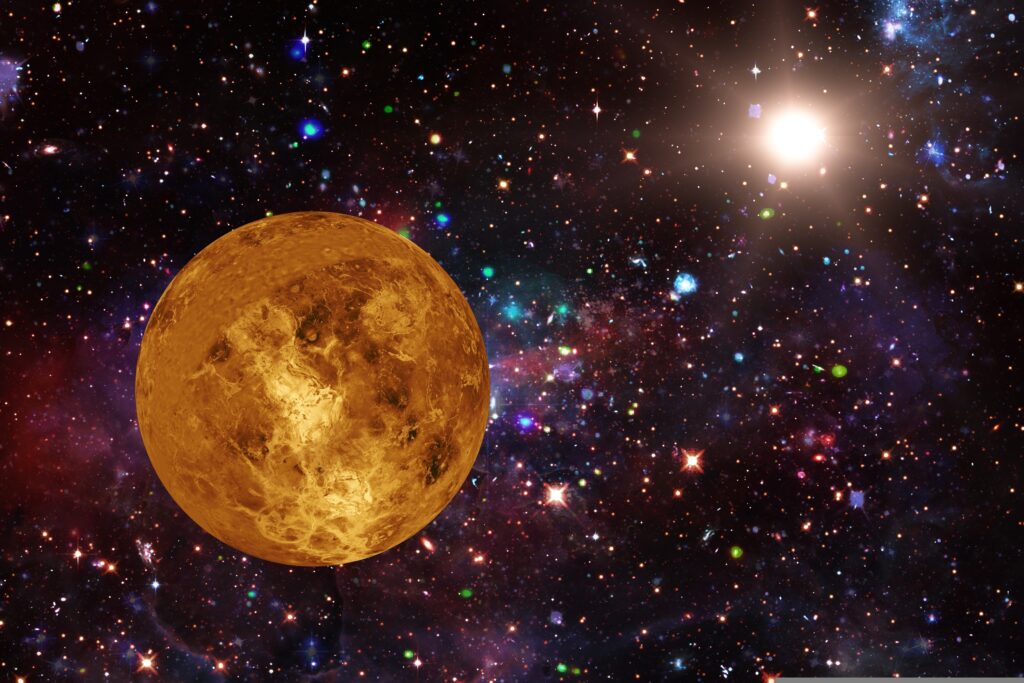
Oamenii de știință avertizează: O amenințare serioasă ar putea ascunde pe orbita lui Venus
Un studiu recent a scos la iveală o posibilă amenințare care ar putea pune în pericol planeta Venus și, indirect, Pământul. Cercetătorii au descoperit că pe orbita lui Venus ar putea exista un asteroid sau o planetă pitică care ar putea reprezenta o sursă de preocupare pentru astronomi și oamenii de știință. Această descoperire ridică întrebări cu privire la securitatea sistemelor noastre solare și la necesitatea unei monitorizări atente a spațiului.
Ce spun cercetătorii despre această posibilă amenințare?
Potrivit cercetătorilor, obiectul misterios care ar putea orbita în jurul lui Venus este încă necunoscut, însă există suspiciuni că ar putea fi un asteroid sau o planetă pitică. Deși nu există încă dovezi concrete, cercetătorii sunt îngrijorați de posibilitatea ca acest obiect să poată avea un impact asupra stabilității sistemului solar.
Implicații pentru sistemul solar
Dacă obiectul misterios există, el ar putea avea implicații majore pentru sistemul solar. Pe termen lung, interacțiunile gravitaționale dintre Venus și obiectul necunoscut ar putea duce la schimbări în orbitele planetelor din sistemul solar, inclusiv a Pământului. Acest lucru ar putea avea efecte asupra climei și a condițiilor de viață de pe planeta noastră.
Studii și cercetări viitoare
Pentru a confirma existența obiectului și a înțelege mai bine implicațiile acestuia, cercetătorii vor trebui să efectueze studii și cercetări suplimentare. Acestea vor implica probabil observarea atentă a mișcării lui Venus și a altor planete din sistemul solar, precum și căutarea de noi dovezi care să confirme sau să infirme existența obiectului.
Metode de detecție
Pentru a detecta obiectul misterios, cercetătorii vor utiliza o varietate de metode, inclusiv observații astronomice și simulări computerizate. Aceste metode vor ajuta la determinarea masei, dimensiunii și a compoziției obiectului, informații esențiale pentru evaluarea impactului său potențial asupra sistemului solar.
Concluzii și perspective
Descoperirea unui obiect misterios pe orbita lui Venus reprezintă o provocare pentru oamenii de știință și astronomi. Deși există încă multe întrebări fără răspuns, cercetătorii sunt hotărâți să continue investigarea acestei posibile amenințări. Prin eforturi conjugate, comunitatea științifică speră să ofere răspunsuri clare și să contribuie la protecția sistemului nostru solar.
În timp ce așteptăm rezultatele cercetărilor viitoare, este esențial să recunoaștem importanța studierii spațiului și a obiectelor care îl populatează. Numai prin cunoașterea aprofundată a universului putem spera să înțelegem și să gestionăm riscurile care pot afecta Pământul și sistemul nostru solar.
Tendința actuală în cercetarea spațială este îndreptată către explorarea și monitorizarea sistemelor planetare pentru a preveni potențiale riscuri. Proiectele actuale și viitoare de cercetare a spațiului vor fi esențiale în efortul de a cataloga și înțelege obiectele care se află în vecinătatea Pământului și a altor planete.
Pentru a fi la curent cu ultimele descoperiri și a continua să explorăm universul, oamenii de știință și entuziaștii spațiului trebuie să colaboreze și să împărtășească informații. Numai împreună putem avansa în cunoașterea cosmosului și ne putem pregăti pentru orice provocări care se pot ivi.
În concluzie, descoperirea unui posibil obiect pe orbita lui Venus ne reamintește că spațiul este plin de mistere și că cercetarea continuă este vitală pentru siguranța și cunoașterea noastră. Prin avansarea în domeniul astronomiei și al cercetării spațiale, putem anticipă și aborda orice amenințări care se pot ascunde în vastitatea universului.



”
Scientists Identify Genetic Variants Associated with Increased Purring in Cats
For centuries, cat owners have been fascinated by the soothing sound of their feline friends’ purring. While purring is a common behavior among cats, researchers have long been intrigued by the genetic factors that contribute to this unique vocalization. Recently, a team of scientists made a groundbreaking discovery, identifying specific genetic variants associated with increased purring in cats. This breakthrough finding has shed new light on the complex relationship between genetics and feline behavior.
The Science Behind Purring
Purring is a unique vocalization that cats produce by using their laryngeal muscles to vibrate their vocal cords. This behavior is often associated with contentment, relaxation, and even self-soothing. However, purring can also be a sign of stress, anxiety, or even a coping mechanism for pain. While the exact function of purring is still not fully understood, researchers believe that it may play a role in promoting bone growth, reducing swelling, and even aiding in the healing process.
The Genetics of Purring
To investigate the genetic basis of purring, researchers conducted a comprehensive study involving multiple breeds of domestic cats. By analyzing DNA samples from over 100 cats, the team was able to identify specific genetic variants associated with increased purring. The study revealed that cats with a particular variant of the genetic marker, known as the \”purr gene,\” were more likely to exhibit excessive purring behavior.
The research team used a combination of genetic sequencing, genome-wide association studies, and behavioral observations to arrive at their conclusions. Their findings suggest that the genetic variants associated with purring are linked to the regulation of neurotransmitters, such as serotonin and dopamine, which play a crucial role in modulating mood and emotional responses.
Implications of the Study
The discovery of the genetic variants associated with increased purring in cats has significant implications for our understanding of feline behavior and welfare. By identifying the genetic markers linked to purring, researchers can develop more effective strategies for managing stress and anxiety in cats. This knowledge can also be applied to the development of novel therapeutic approaches for treating behavioral disorders in cats.
Future Research Directions
While the study provides valuable insights into the genetic basis of purring, further research is needed to fully elucidate the complex relationships between genetics, behavior, and environment. Future studies should aim to investigate the neural mechanisms underlying purring, as well as the role of purring in different contexts, such as social interaction, predator-prey relationships, and human-cat bonding.
Additionally, researchers should explore the potential applications of this knowledge in improving cat welfare, such as developing purr-based therapies for anxiety and stress relief. By continuing to unravel the mysteries of purring, scientists can deepen our understanding of the intricate relationships between cats, their environment, and their human caregivers.
The study’s findings have sparked excitement among cat enthusiasts and researchers alike, offering a fresh perspective on the fascinating world of feline behavior. As scientists continue to explore the genetics of purring, we can expect to gain a deeper appreciation for the intricate mechanisms that govern the behavior of our feline friends.
Ultimately, the discovery of the genetic variants associated with increased purring in cats serves as a testament to the remarkable complexity of animal behavior and the incredible advances being made in the field of genetics. As we continue to uncover the secrets of purring, we are reminded of the profound bond that exists between humans and animals, and the importance of continued research into the fascinating world of animal behavior.
”
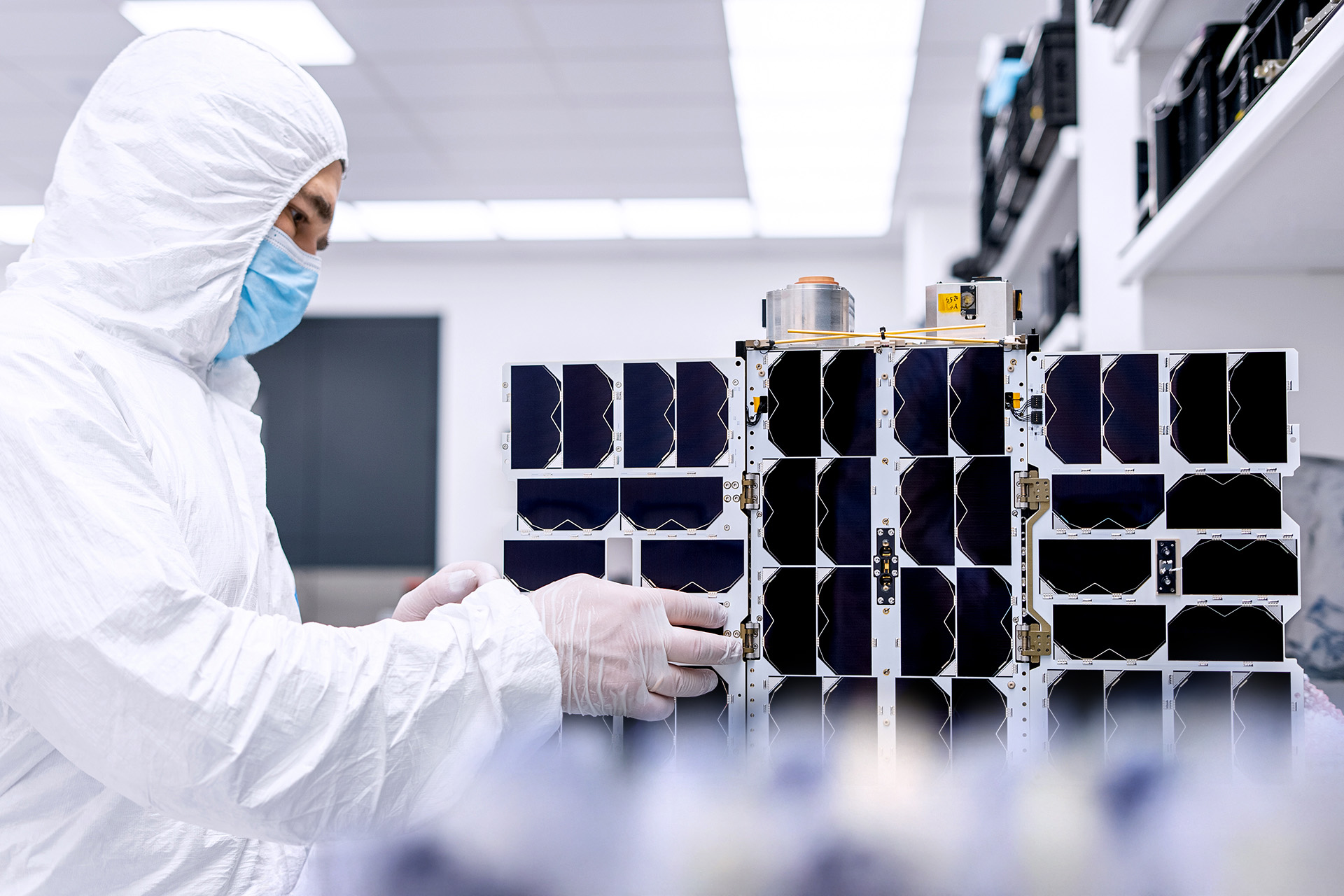
South Korea’s Venus-Focused Cubesat Advances as Larger Missions Face NASA Cuts
In a significant development for space exploration, South Korea’s Venus-focused cubesat has successfully moved forward, providing a beacon of hope for smaller, innovative missions. This advancement comes at a time when larger missions are facing cuts from NASA, highlighting the challenges and opportunities in the evolving landscape of space research.
The cubesat, a small satellite designed to study Venus, has been making waves in the scientific community with its unique approach to planetary exploration. Unlike larger, more traditional satellites, cubesats are compact, cost-effective, and capable of being launched into a variety of orbits. South Korea’s Venus-focused cubesat is no exception, embodying these characteristics while aiming to contribute valuable data to our understanding of Venus.
The Challenges of Exploring Venus
Venus, often referred to as Earth’s twin due to its similar size and mass, presents a hostile environment for spacecraft. The planet’s thick atmosphere, composed mainly of carbon dioxide, traps heat in a runaway greenhouse effect, leading to surface temperatures that can melt lead. This extreme environment makes it a significant challenge for any spacecraft to survive and gather data.
The Role of Cubesats in Space Exploration
Despite these challenges, the use of cubesats like South Korea’s Venus-focused mission offers a promising avenue for exploration. Cubesats can provide targeted, high-quality data that can complement the findings of larger missions. Their relatively low cost and quick development timelines allow for a more agile approach to space exploration, enabling scientists to test new technologies and explore new destinations.
The advancement of South Korea’s Venus-focused cubesat is particularly noteworthy given the current landscape of NASA’s mission priorities. Larger missions, which often require significant funding and resources, are facing cuts as NASA navigates budget constraints and shifting priorities. This situation underscores the importance of smaller, more flexible missions like cubesats, which can offer substantial scientific returns at a fraction of the cost.
NASA’s Budget and Mission Cuts: Implications for Space Exploration
NASA’s budget and the consequent impact on mission cuts have been a subject of concern for the space community. The financial constraints have led to the reevaluation of mission priorities, with a noticeable shift towards supporting smaller, innovative projects. This shift not only reflects the changing economics of space exploration but also acknowledges the diverse contributions that smaller missions can make.
Future Prospects for Venus Exploration
The journey of South Korea’s Venus-focused cubesat and similar missions offers a glimpse into the future of planetary exploration. As technology advances and the international community becomes more involved in space research, collaborative and cost-effective approaches are likely to play a crucial role. The exploration of Venus, in particular, stands to benefit from these innovative strategies, as scientists seek to unravel the mysteries of our planetary neighbor.
The scientific community eagerly anticipates the data and insights that South Korea’s cubesat and similar missions will provide. By advancing our understanding of Venus and testing new technologies, these missions contribute to the broader goals of space exploration. They demonstrate the potential for breakthroughs, even in the face of budgetary challenges and environmental extremes.
In conclusion, the progress of South Korea’s Venus-focused cubesat amidst NASA’s mission cuts highlights the evolving dynamics of space exploration. It underscores the importance of adaptability, innovation, and international collaboration in pursuing our understanding of the cosmos. As we look to the future, missions like the Venus-focused cubesat will undoubtedly play a pivotal role in expanding our knowledge and pushing the boundaries of what is possible in space research.
“
Unlocking the Secrets of Distant Worlds: A New Model for Life Detection
The search for extraterrestrial life has long been a topic of fascination and intrigue. With the discovery of thousands of exoplanets in recent years, the possibility of finding life beyond Earth has become increasingly plausible. However, determining which distant planets may host life has proven to be a significant challenge. That is, until now. A team of scientists has developed a new model that could help identify which exoplanets are most likely to support life.
The New Model: A Breakthrough in Life Detection
The new model, developed by a team of researchers from the University of California, Berkeley, uses a combination of factors to determine a planet’s likelihood of hosting life. The model takes into account a planet’s size, temperature, and atmospheric composition, as well as the presence of a stable star. By analyzing these factors, the model can provide a more accurate estimate of a planet’s potential for supporting life.
Understanding the Key Factors
So, what are the key factors that make a planet habitable? The researchers behind the new model have identified several crucial elements that contribute to a planet’s potential for life. These include:
* A stable and relatively constant climate, which is essential for life as we know it to thrive.
* A suitable size, with planets that are too large or too small being less likely to support life.
* A habitable zone, or the region around a star where temperatures are just right for liquid water to exist.
* A stable star, which is necessary for a planet to maintain a stable climate.
The Importance of Atmospheric Composition
The atmospheric composition of a planet is also a critical factor in determining its potential for life. The presence of certain gases, such as oxygen and methane, can be indicative of biological activity. The new model takes into account the atmospheric composition of a planet, including the presence of these gases.
The researchers used a machine learning algorithm to analyze data from a variety of sources, including NASA’s Kepler space telescope and the Transiting Exoplanet Survey Satellite (TESS). The algorithm was trained on a dataset of known exoplanets and their characteristics, allowing it to learn patterns and relationships between different factors.
Testing the Model
To test the model, the researchers applied it to a dataset of exoplanets that have been identified as potentially habitable. The results were promising, with the model correctly identifying several planets that are already known to have conditions suitable for life.
The model also identified several new exoplanets that were not previously considered to be high-priority targets for life detection. These planets, which are located in the habitable zones of their respective stars, have conditions that are similar to those of Earth and could potentially support life.
The Future of Life Detection
The development of this new model marks a significant step forward in the search for extraterrestrial life. By providing a more accurate and comprehensive way of evaluating exoplanets for habitability, the model could help scientists to focus their efforts on the most promising targets.
The search for life beyond Earth is an ongoing and rapidly evolving field of research. With the help of new models like this one, scientists may finally uncover evidence of life elsewhere in the universe.
As the search for extraterrestrial life continues, one thing is certain: the possibility of finding life beyond Earth is an exciting and tantalizing prospect that will continue to capture the imagination of scientists and the public alike.
While we may not yet have definitive evidence of extraterrestrial life, the development of new models like this one brings us closer to answering one of humanity’s most fundamental questions: are we alone in the universe?

Trump Pushes to Abolish Filibuster Amid Government Shutdown

Michael Saylor Predicts Bitcoin Will Rise 30% Per Year

Australia Defense Strategy



Trump Pushes to Abolish Filibuster Amid Government Shutdown
Michael Saylor Predicts Bitcoin Will Rise 30% Per Year