
Technology
Uploading Human Mind to Computer Becomes Possible


“
Uploading The Human Mind Could Become a Reality, Expert Says
The concept of uploading the human mind into a digital realm has long been a staple of science fiction, sparking both fascination and debate among experts and the general public alike. However, recent advancements in neuroscience and artificial intelligence have brought this idea closer to reality than ever before. According to a leading expert in the field, the possibility of transferring human consciousness into a digital format is not only plausible but could potentially revolutionize the way we live and interact with technology.
The Rapid Advancements in Neuroscience and AI
Over the past few decades, our understanding of the human brain has grown exponentially. Techniques such as functional magnetic resonance imaging (fMRI) and electroencephalography (EEG) have allowed researchers to map brain activity with unprecedented precision. This has led to significant breakthroughs in areas like neuroprosthetics, where individuals with paralysis or amputations can control devices with their thoughts. Artificial intelligence (AI) has also seen rapid progress, with the development of sophisticated algorithms capable of learning, adapting, and even exhibiting creativity.
The Concept of Mind Uploading
So, what exactly does mind uploading entail? In essence, it involves scanning the human brain at a detailed level, creating a comprehensive map of its neural connections and activity patterns. This information would then be transferred into a digital format, allowing it to be stored and potentially even executed on a computer or other digital device. The idea raises a host of questions, from the technical and practical to the philosophical and ethical.
Technical Challenges and Ethical Considerations
From a technical standpoint, mind uploading faces significant hurdles. The human brain contains approximately 86 billion neurons, each with thousands of connections. Accurately mapping and replicating this complex network is a daunting task, requiring advancements in fields like nanotechnology, quantum computing, and data storage. Moreover, the process would need to account for the dynamic nature of brain activity, capturing not just the structure but also the functional and experiential aspects of consciousness.
Ethical considerations are equally critical. If mind uploading becomes a reality, it would challenge our current understanding of life, death, and identity. Questions arise about the rights and status of digital consciousness, as well as the potential for inequality and bias in access to this technology. There are also concerns about the psychological and social impacts on individuals who choose to upload their minds, and the implications for human relationships and society as a whole.
Expert Insights and Future Directions
According to Dr. [Expert’s Name], a leading researcher in neuroscience and AI, ‘The possibility of uploading the human mind is an area that has been gaining significant attention and investment. While there are still substantial technical and ethical challenges to overcome, the potential benefits are immense. Imagine a future where individuals could live on in a digital form, free from the constraints of the physical body and capable of interacting with the world in entirely new ways.’
Dr. [Expert’s Name] emphasizes that achieving mind uploading will require a multidisciplinary approach, bringing together experts from neuroscience, AI, philosophy, and many other fields. ‘It’s not just about developing the right technology,’ they note. ‘We need to have a deep understanding of what consciousness is, how it arises, and what it means to be human.’
Towards a Future of Digital Immortality?
The prospect of mind uploading raises profound questions about the human condition and our place in the universe. If we succeed in transferring our consciousness into a digital realm, what does it mean to be alive? Would we still be human, or would we become something entirely new? These are questions that challenge our current understanding and compel us to think about the future in a radically different way.
While the journey towards mind uploading is complex and uncertain, it is clear that the conversation around this topic will only continue to grow in importance. As we stand on the threshold of this new frontier, it is crucial that we engage in a broad and inclusive dialogue about the possibilities and implications of this technology. By doing so, we can ensure that the future of humanity – whether in the physical world or in a digital form – is one that is guided by wisdom, compassion, and a deep respect for what it means to be human.







“
The Future of Sustainable Living: How Technology is Revolutionizing Eco-Friendly Homes
As the world grapples with the challenges of climate change, environmental degradation, and depleting natural resources, the concept of sustainable living has become more relevant than ever. One of the key areas where sustainability is making a significant impact is in the construction and design of homes. With the integration of technology, eco-friendly homes are becoming increasingly popular, and it’s not hard to see why. In this article, we’ll explore the future of sustainable living and how technology is revolutionizing the way we build and live in our homes.
The Rise of Eco-Friendly Homes
The demand for eco-friendly homes is on the rise, and it’s driven by a growing awareness of the importance of sustainability. Homeowners are no longer just looking for a place to live; they’re looking for a home that’s not only comfortable and stylish but also environmentally friendly. Eco-friendly homes are designed to minimize their impact on the environment, using sustainable materials, reducing energy consumption, and promoting eco-friendly living practices.
The Role of Technology in Sustainable Living
Technology is playing a vital role in the development of eco-friendly homes. From smart home automation systems to energy-efficient appliances, technology is making it easier for homeowners to live sustainably. One of the most significant advancements in sustainable living is the use of renewable energy sources, such as solar and wind power. With the help of technology, homeowners can now harness the power of the sun and wind to generate electricity and reduce their reliance on fossil fuels.
Another area where technology is making a significant impact is in water conservation. Low-flow showerheads and toilets, rainwater harvesting systems, and greywater reuse systems are just a few examples of how technology is helping to reduce water waste and promote sustainable living practices. Additionally, smart home automation systems can monitor and control water usage, providing homeowners with valuable insights into their water consumption patterns.
The Benefits of Eco-Friendly Homes
So, what are the benefits of eco-friendly homes? For one, they offer a healthier living environment. Eco-friendly homes are built using sustainable materials, which reduces the risk of exposure to toxic chemicals and pollutants. They also promote energy efficiency, which can lead to significant cost savings on utility bills. Furthermore, eco-friendly homes are designed to minimize waste and reduce environmental impact, which can contribute to a more sustainable future.
Sustainable Building Materials
The use of sustainable building materials is a critical aspect of eco-friendly home design. Materials such as reclaimed wood, bamboo, and low-VOC paints are becoming increasingly popular, and for good reason. They’re not only environmentally friendly but also offer a unique aesthetic appeal. Reclaimed wood, for example, can add a touch of warmth and character to a room, while bamboo is a highly durable and sustainable material that’s perfect for flooring and furniture.
In addition to sustainable materials, eco-friendly homes often incorporate green roofs, living walls, and passive solar design principles. These features not only reduce energy consumption but also create a healthier living environment. Green roofs, for example, provide insulation and reduce stormwater runoff, while living walls can improve air quality and promote biodiversity.
The Future of Sustainable Living
As technology continues to evolve, we can expect to see even more innovative solutions for sustainable living. From net-zero energy homes to smart cities, the future of sustainable living is looking bright. One of the most exciting developments in sustainable living is the concept of net-zero energy homes. These homes are designed to produce as much energy as they consume, using a combination of renewable energy sources and energy-efficient systems.
Another area of innovation is in smart cities. Smart cities use technology to optimize energy consumption, reduce waste, and promote sustainable living practices. They incorporate features such as smart grids, green infrastructure, and intelligent transportation systems, which can significantly reduce environmental impact. As we look to the future, it’s clear that technology will play a vital role in shaping the way we live and interact with our environment.
In conclusion, the future of sustainable living is exciting and full of possibilities. With the help of technology, we can create homes that are not only eco-friendly but also comfortable, stylish, and sustainable. As we move forward, it’s essential to prioritize sustainability and make conscious choices about the way we live and interact with our environment. By doing so, we can create a better future for ourselves and for generations to come.
“}
”
Détection des îlots de chaleur urbains : L’intelligence artificielle au service de l’environnement
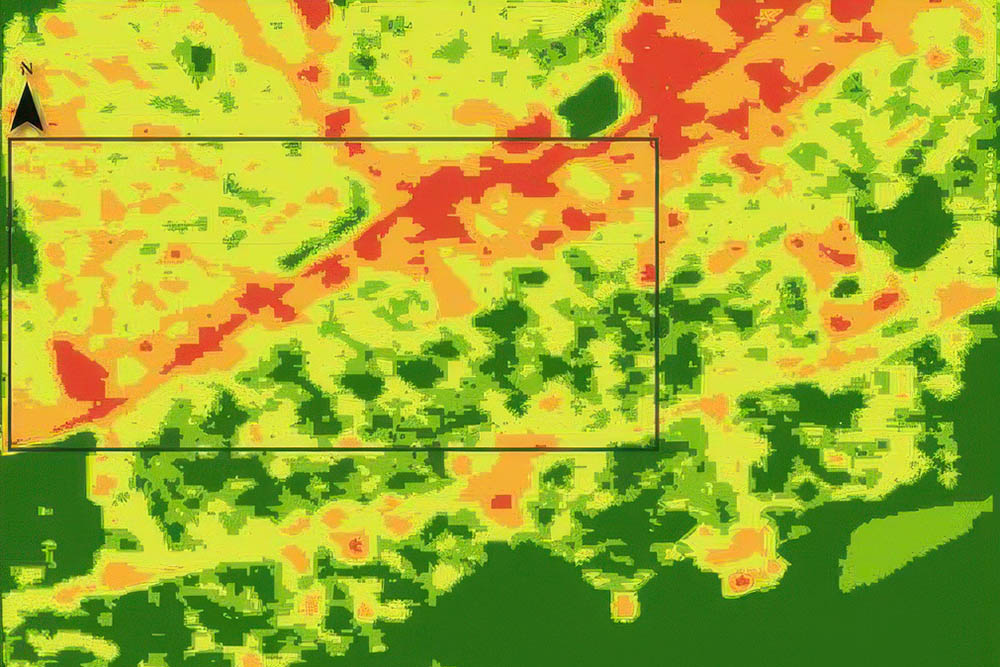
Les îlots de chaleur urbains sont un phénomène de plus en plus préoccupant dans les villes du monde entier. Ces zones urbaines où les températures sont significativement plus élevées que les zones rurales environnantes sont causées par la concentration de surfaces imperméables, telles que les bâtiments, les routes et les trottoirs, qui absorbent et retiennent la chaleur. Les îlots de chaleur urbains peuvent avoir des conséquences graves sur la santé publique, la consommation d’énergie et la qualité de vie des citadins. Heureusement, les chercheurs et les développeurs ont trouvé un moyen de détecter ces îlots de chaleur urbains grâce à l’intelligence artificielle (IA).
Qu’est-ce qu’un îlot de chaleur urbain ?
Un îlot de chaleur urbain est une zone urbaine où la température est plus élevée que dans les zones rurales environnantes. Cela est dû à la façon dont les villes sont construites et aménagées. Les surfaces imperméables, telles que les bâtiments, les routes et les trottoirs, absorbent et retiennent la chaleur, ce qui entraîne une augmentation de la température. Les îlots de chaleur urbains peuvent être particulièrement problématisques pendant les périodes de chaleur extrême, car ils peuvent aggraver les effets de la chaleur sur la santé publique.
Les conséquences des îlots de chaleur urbains
Les îlots de chaleur urbains peuvent avoir des conséquences graves sur la santé publique, la consommation d’énergie et la qualité de vie des citadins. Certaines des conséquences les plus notables incluent :
- Augmentation de la mortalité et de la morbidité liées à la chaleur
- Augmentation de la consommation d’énergie pour la climatisation
- Détérioration de la qualité de l’air
- Impact sur la santé mentale et physique des citadins
Comment l’IA peut aider à détecter les îlots de chaleur urbains ?
L’intelligence artificielle (IA) peut aider à détecter les îlots de chaleur urbains en analysant de grandes quantités de données provenant de diverses sources, telles que les capteurs de température, les images satellitaires et les données de trafic. Les algorithmes d’IA peuvent être entraînés pour identifier les modèles et les tendances dans ces données, ce qui permet de détecter les zones urbaines où les températures sont anormalement élevées.
Les technologies utilisées pour détecter les îlots de chaleur urbains
Les chercheurs et les développeurs utilisent diverses technologies pour détecter les îlots de chaleur urbains, notamment :
- Les capteurs de température : ces capteurs peuvent être déployés dans les villes pour mesurer les températures en temps réel.
- Les images satellitaires : les images satellitaires peuvent fournir des informations sur la couverture végétale, la densité de population et les caractéristiques de surface des zones urbaines.
- Les données de trafic : les données de trafic peuvent aider à identifier les zones urbaines où la circulation est intense et où les températures sont élevées.
Les avantages de la détection des îlots de chaleur urbains
La détection des îlots de chaleur urbains peut avoir plusieurs avantages, notamment :
- Amélioration de la santé publique : en identifiant les zones urbaines où les températures sont élevées, les autorités peuvent prendre des mesures pour réduire les risques pour la santé publique.
- Réduction de la consommation d’énergie : en identifiant les zones urbaines où la consommation d’énergie est élevée, les autorités peuvent prendre des mesures pour réduire la demande d’énergie.
- Amélioration de la qualité de vie : en identifiant les zones urbaines où les températures sont élevées, les autorités peuvent prendre des mesures pour améliorer la qualité de vie des citadins.
En conclusion, la détection des îlots de chaleur urbains est un enjeu important pour les villes du monde entier. L’intelligence artificielle peut aider à détecter ces zones urbaines en analysant de grandes quantités de données et en identifiant les modèles et les tendances. Les autorités peuvent ensuite prendre des mesures pour réduire les risques pour la santé publique, réduire la consommation d’énergie et améliorer la qualité de vie des citadins.
”
Détection des îlots de chaleur urbains : L’intelligence artificielle au service de l’environnement
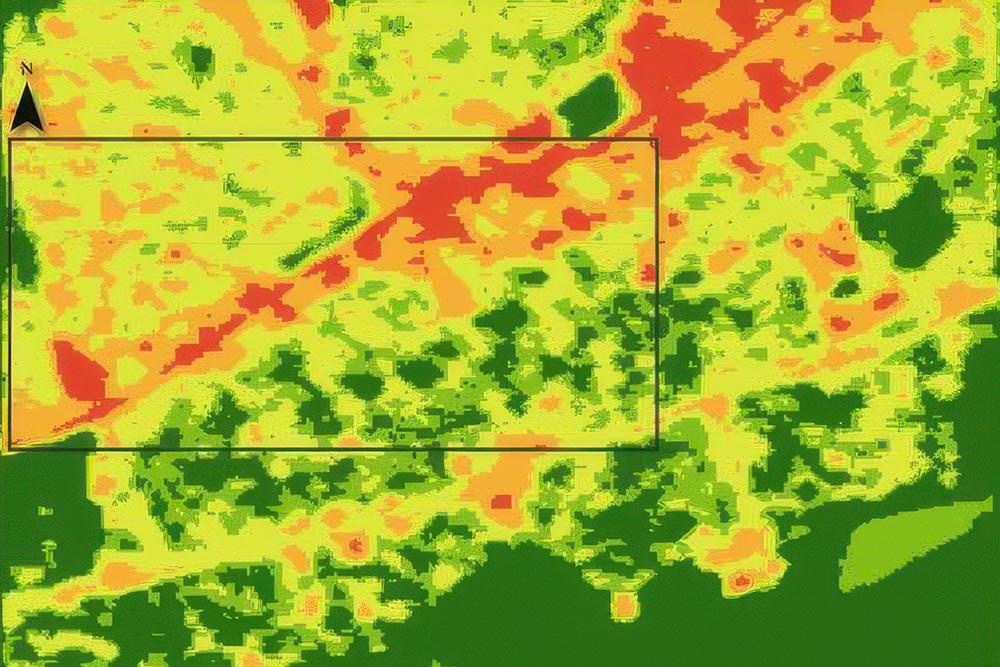
Les îlots de chaleur urbains sont un phénomène de plus en plus préoccupant dans les villes du monde entier. Ces zones urbaines où les températures sont significativement plus élevées que les zones rurales environnantes sont causées par la concentration de surfaces imperméables, telles que les bâtiments, les routes et les trottoirs, qui absorbent et retiennent la chaleur. Les îlots de chaleur urbains peuvent avoir des conséquences graves sur la santé publique, la consommation d’énergie et la qualité de vie des citadins. Heureusement, les chercheurs et les développeurs ont trouvé un moyen de détecter ces îlots de chaleur urbains grâce à l’intelligence artificielle (IA).
Qu’est-ce qu’un îlot de chaleur urbain ?
Un îlot de chaleur urbain est une zone urbaine où la température est plus élevée que dans les zones rurales environnantes. Cela est dû à la façon dont les villes sont construites et aménagées. Les surfaces imperméables, telles que les bâtiments, les routes et les trottoirs, absorbent et retiennent la chaleur, ce qui entraîne une augmentation de la température. Les îlots de chaleur urbains peuvent être particulièrement problématisques pendant les périodes de chaleur extrême, car ils peuvent aggraver les effets de la chaleur sur la santé publique.
Les conséquences des îlots de chaleur urbains
Les îlots de chaleur urbains peuvent avoir des conséquences graves sur la santé publique, la consommation d’énergie et la qualité de vie des citadins. Certaines des conséquences les plus notables incluent :
- Augmentation de la mortalité et de la morbidité liées à la chaleur
- Augmentation de la consommation d’énergie pour la climatisation
- Détérioration de la qualité de l’air
- Impact sur la santé mentale et physique des citadins
Comment l’IA peut aider à détecter les îlots de chaleur urbains ?
L’intelligence artificielle (IA) peut aider à détecter les îlots de chaleur urbains en analysant de grandes quantités de données provenant de diverses sources, telles que les capteurs de température, les images satellitaires et les données de trafic. Les algorithmes d’IA peuvent être entraînés pour identifier les modèles et les tendances dans ces données, ce qui permet de détecter les zones urbaines où les températures sont anormalement élevées.
Les technologies utilisées pour détecter les îlots de chaleur urbains
Les chercheurs et les développeurs utilisent diverses technologies pour détecter les îlots de chaleur urbains, notamment :
- Les capteurs de température : ces capteurs peuvent être déployés dans les villes pour mesurer les températures en temps réel.
- Les images satellitaires : les images satellitaires peuvent fournir des informations sur la couverture végétale, la densité de population et les caractéristiques de surface des zones urbaines.
- Les données de trafic : les données de trafic peuvent aider à identifier les zones urbaines où la circulation est intense et où les températures sont élevées.
Les avantages de la détection des îlots de chaleur urbains
La détection des îlots de chaleur urbains peut avoir plusieurs avantages, notamment :
- Amélioration de la santé publique : en identifiant les zones urbaines où les températures sont élevées, les autorités peuvent prendre des mesures pour réduire les risques pour la santé publique.
- Réduction de la consommation d’énergie : en identifiant les zones urbaines où la consommation d’énergie est élevée, les autorités peuvent prendre des mesures pour réduire la demande d’énergie.
- Amélioration de la qualité de vie : en identifiant les zones urbaines où les températures sont élevées, les autorités peuvent prendre des mesures pour améliorer la qualité de vie des citadins.
En conclusion, la détection des îlots de chaleur urbains est un enjeu important pour les villes du monde entier. L’intelligence artificielle peut aider à détecter ces zones urbaines en analysant de grandes quantités de données et en identifiant les modèles et les tendances. Les autorités peuvent ensuite prendre des mesures pour réduire les risques pour la santé publique, réduire la consommation d’énergie et améliorer la qualité de vie des citadins.

Trump Pushes to Abolish Filibuster Amid Government Shutdown

Michael Saylor Predicts Bitcoin Will Rise 30% Per Year

Australia Defense Strategy



Trump Pushes to Abolish Filibuster Amid Government Shutdown
Michael Saylor Predicts Bitcoin Will Rise 30% Per Year