
Technology
Robot Kickboxing Match Debuts as First Humanoid Contest


”
Watch The World’s First Humanoid Robot Kickboxing Match
In a groundbreaking display of technological advancement, the world’s first humanoid robot kickboxing match has taken place, captivating audiences and sparking conversations about the future of robotics and artificial intelligence. This innovative event, which has garnered significant attention worldwide, showcases not only the capabilities of humanoid robots but also the potential for machines to engage in complex physical activities traditionally reserved for humans.
The match, a highly anticipated spectacle, was the culmination of months of meticulous planning and programming. The humanoid robot, designed to mimic human movements with precision and accuracy, was put through its paces in a kickboxing match that was as much about technical prowess as it was about entertainment. The robot, equipped with advanced sensors and algorithms, was able to execute a variety of kickboxing techniques, from swift jabs to powerful kicks, demonstrating a level of agility and coordination that was both impressive and intriguing.
The Technology Behind the Match
The development of the humanoid robot capable of participating in a kickboxing match represents a significant leap forward in robotics. Engineers and programmers have worked tirelessly to create a machine that can not only perform complex physical tasks but also learn and adapt in real-time. This ability to learn is crucial, as it allows the robot to improve its performance over time, much like a human would.
The robot’s design is a marvel of modern engineering. With a body that closely resembles that of a human, it is equipped with advanced actuators and motors that enable it to move with a fluidity and grace that is remarkable for a machine. Its limbs are designed to mimic the human musculoskeletal system, allowing for a wide range of motion and flexibility. This design choice was critical in enabling the robot to perform the high-level kicks and rapid punches that are characteristic of kickboxing.
Programming and Training
The programming of the robot for the kickboxing match was a complex and nuanced process. It required not only a deep understanding of kickboxing techniques but also the ability to translate these techniques into a language that the robot could understand and execute. The training process involved extensive use of simulation software, where the robot could practice and refine its techniques in a virtual environment before moving on to live matches.
One of the most significant challenges faced by the programming team was teaching the robot to anticipate and respond to its opponent’s moves. This required the development of sophisticated algorithms that could analyze the opponent’s actions in real-time and adjust the robot’s strategy accordingly. The result was a robot that could engage in a dynamic and fluid exchange of blows, much like a human kickboxer.
The Future of Robotics and AI
The successful execution of the world’s first humanoid robot kickboxing match has significant implications for the future of robotics and artificial intelligence. It demonstrates the potential for machines to engage in complex activities that were previously thought to be the exclusive domain of humans. This has far-reaching implications for industries such as healthcare, education, and entertainment, where robots and AI systems could play a more integral role.
Moreover, events like the humanoid robot kickboxing match serve as a catalyst for public interest and engagement with technology. They inspire a new generation of engineers, programmers, and scientists to explore the possibilities of what machines can do and how they can be used to enhance human life. As technology continues to evolve, we can expect to see even more sophisticated and capable machines that challenge our perceptions of what is possible.
In conclusion, the world’s first humanoid robot kickboxing match is a landmark event that showcases the incredible advancements being made in robotics and artificial intelligence. It not only highlights the technical capabilities of humanoid robots but also serves as a reminder of the exciting possibilities that the future holds. As we continue to push the boundaries of what machines can do, we open up new avenues for innovation and exploration that have the potential to transform our world.






“
The Future of Sustainable Living: How Technology is Revolutionizing Eco-Friendly Homes
As the world grapples with the challenges of climate change, environmental degradation, and depleting natural resources, the concept of sustainable living has become more relevant than ever. One of the key areas where sustainability is making a significant impact is in the construction and design of homes. With the integration of technology, eco-friendly homes are becoming increasingly popular, and it’s not hard to see why. In this article, we’ll explore the future of sustainable living and how technology is revolutionizing the way we build and live in our homes.
The Rise of Eco-Friendly Homes
The demand for eco-friendly homes is on the rise, and it’s driven by a growing awareness of the importance of sustainability. Homeowners are no longer just looking for a place to live; they’re looking for a home that’s not only comfortable and stylish but also environmentally friendly. Eco-friendly homes are designed to minimize their impact on the environment, using sustainable materials, reducing energy consumption, and promoting eco-friendly living practices.
The Role of Technology in Sustainable Living
Technology is playing a vital role in the development of eco-friendly homes. From smart home automation systems to energy-efficient appliances, technology is making it easier for homeowners to live sustainably. One of the most significant advancements in sustainable living is the use of renewable energy sources, such as solar and wind power. With the help of technology, homeowners can now harness the power of the sun and wind to generate electricity and reduce their reliance on fossil fuels.
Another area where technology is making a significant impact is in water conservation. Low-flow showerheads and toilets, rainwater harvesting systems, and greywater reuse systems are just a few examples of how technology is helping to reduce water waste and promote sustainable living practices. Additionally, smart home automation systems can monitor and control water usage, providing homeowners with valuable insights into their water consumption patterns.
The Benefits of Eco-Friendly Homes
So, what are the benefits of eco-friendly homes? For one, they offer a healthier living environment. Eco-friendly homes are built using sustainable materials, which reduces the risk of exposure to toxic chemicals and pollutants. They also promote energy efficiency, which can lead to significant cost savings on utility bills. Furthermore, eco-friendly homes are designed to minimize waste and reduce environmental impact, which can contribute to a more sustainable future.
Sustainable Building Materials
The use of sustainable building materials is a critical aspect of eco-friendly home design. Materials such as reclaimed wood, bamboo, and low-VOC paints are becoming increasingly popular, and for good reason. They’re not only environmentally friendly but also offer a unique aesthetic appeal. Reclaimed wood, for example, can add a touch of warmth and character to a room, while bamboo is a highly durable and sustainable material that’s perfect for flooring and furniture.
In addition to sustainable materials, eco-friendly homes often incorporate green roofs, living walls, and passive solar design principles. These features not only reduce energy consumption but also create a healthier living environment. Green roofs, for example, provide insulation and reduce stormwater runoff, while living walls can improve air quality and promote biodiversity.
The Future of Sustainable Living
As technology continues to evolve, we can expect to see even more innovative solutions for sustainable living. From net-zero energy homes to smart cities, the future of sustainable living is looking bright. One of the most exciting developments in sustainable living is the concept of net-zero energy homes. These homes are designed to produce as much energy as they consume, using a combination of renewable energy sources and energy-efficient systems.
Another area of innovation is in smart cities. Smart cities use technology to optimize energy consumption, reduce waste, and promote sustainable living practices. They incorporate features such as smart grids, green infrastructure, and intelligent transportation systems, which can significantly reduce environmental impact. As we look to the future, it’s clear that technology will play a vital role in shaping the way we live and interact with our environment.
In conclusion, the future of sustainable living is exciting and full of possibilities. With the help of technology, we can create homes that are not only eco-friendly but also comfortable, stylish, and sustainable. As we move forward, it’s essential to prioritize sustainability and make conscious choices about the way we live and interact with our environment. By doing so, we can create a better future for ourselves and for generations to come.
“}
”
Détection des îlots de chaleur urbains : L’intelligence artificielle au service de l’environnement
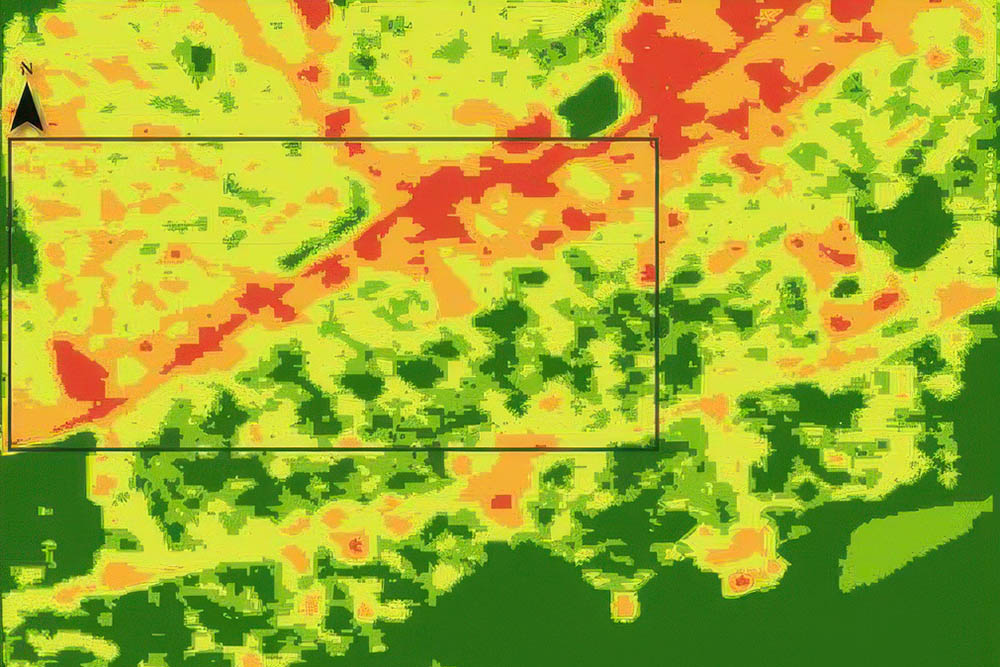
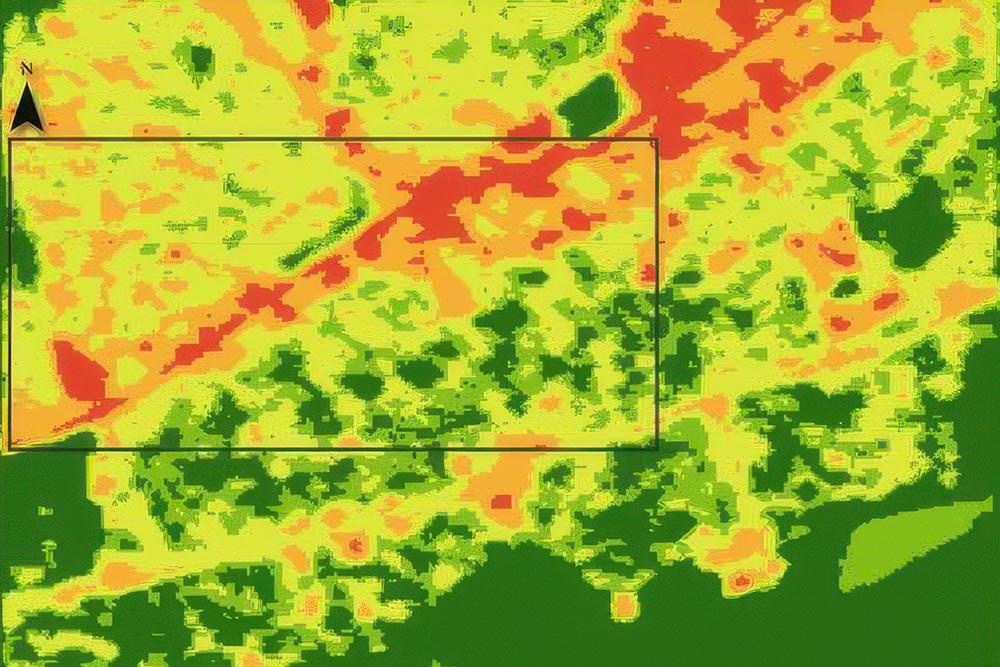
Les îlots de chaleur urbains sont un phénomène de plus en plus préoccupant dans les villes du monde entier. Ces zones urbaines où les températures sont significativement plus élevées que les zones rurales environnantes sont causées par la concentration de surfaces imperméables, telles que les bâtiments, les routes et les trottoirs, qui absorbent et retiennent la chaleur. Les îlots de chaleur urbains peuvent avoir des conséquences graves sur la santé publique, la consommation d’énergie et la qualité de vie des citadins. Heureusement, les chercheurs et les développeurs ont trouvé un moyen de détecter ces îlots de chaleur urbains grâce à l’intelligence artificielle (IA).
Qu’est-ce qu’un îlot de chaleur urbain ?
Un îlot de chaleur urbain est une zone urbaine où la température est plus élevée que dans les zones rurales environnantes. Cela est dû à la façon dont les villes sont construites et aménagées. Les surfaces imperméables, telles que les bâtiments, les routes et les trottoirs, absorbent et retiennent la chaleur, ce qui entraîne une augmentation de la température. Les îlots de chaleur urbains peuvent être particulièrement problématisques pendant les périodes de chaleur extrême, car ils peuvent aggraver les effets de la chaleur sur la santé publique.
Les conséquences des îlots de chaleur urbains
Les îlots de chaleur urbains peuvent avoir des conséquences graves sur la santé publique, la consommation d’énergie et la qualité de vie des citadins. Certaines des conséquences les plus notables incluent :
- Augmentation de la mortalité et de la morbidité liées à la chaleur
- Augmentation de la consommation d’énergie pour la climatisation
- Détérioration de la qualité de l’air
- Impact sur la santé mentale et physique des citadins
Comment l’IA peut aider à détecter les îlots de chaleur urbains ?
L’intelligence artificielle (IA) peut aider à détecter les îlots de chaleur urbains en analysant de grandes quantités de données provenant de diverses sources, telles que les capteurs de température, les images satellitaires et les données de trafic. Les algorithmes d’IA peuvent être entraînés pour identifier les modèles et les tendances dans ces données, ce qui permet de détecter les zones urbaines où les températures sont anormalement élevées.
Les technologies utilisées pour détecter les îlots de chaleur urbains
Les chercheurs et les développeurs utilisent diverses technologies pour détecter les îlots de chaleur urbains, notamment :
- Les capteurs de température : ces capteurs peuvent être déployés dans les villes pour mesurer les températures en temps réel.
- Les images satellitaires : les images satellitaires peuvent fournir des informations sur la couverture végétale, la densité de population et les caractéristiques de surface des zones urbaines.
- Les données de trafic : les données de trafic peuvent aider à identifier les zones urbaines où la circulation est intense et où les températures sont élevées.
Les avantages de la détection des îlots de chaleur urbains
La détection des îlots de chaleur urbains peut avoir plusieurs avantages, notamment :
- Amélioration de la santé publique : en identifiant les zones urbaines où les températures sont élevées, les autorités peuvent prendre des mesures pour réduire les risques pour la santé publique.
- Réduction de la consommation d’énergie : en identifiant les zones urbaines où la consommation d’énergie est élevée, les autorités peuvent prendre des mesures pour réduire la demande d’énergie.
- Amélioration de la qualité de vie : en identifiant les zones urbaines où les températures sont élevées, les autorités peuvent prendre des mesures pour améliorer la qualité de vie des citadins.
En conclusion, la détection des îlots de chaleur urbains est un enjeu important pour les villes du monde entier. L’intelligence artificielle peut aider à détecter ces zones urbaines en analysant de grandes quantités de données et en identifiant les modèles et les tendances. Les autorités peuvent ensuite prendre des mesures pour réduire les risques pour la santé publique, réduire la consommation d’énergie et améliorer la qualité de vie des citadins.
”
Détection des îlots de chaleur urbains : L’intelligence artificielle au service de l’environnement
Les îlots de chaleur urbains sont un phénomène de plus en plus préoccupant dans les villes du monde entier. Ces zones urbaines où les températures sont significativement plus élevées que les zones rurales environnantes sont causées par la concentration de surfaces imperméables, telles que les bâtiments, les routes et les trottoirs, qui absorbent et retiennent la chaleur. Les îlots de chaleur urbains peuvent avoir des conséquences graves sur la santé publique, la consommation d’énergie et la qualité de vie des citadins. Heureusement, les chercheurs et les développeurs ont trouvé un moyen de détecter ces îlots de chaleur urbains grâce à l’intelligence artificielle (IA).
Qu’est-ce qu’un îlot de chaleur urbain ?
Un îlot de chaleur urbain est une zone urbaine où la température est plus élevée que dans les zones rurales environnantes. Cela est dû à la façon dont les villes sont construites et aménagées. Les surfaces imperméables, telles que les bâtiments, les routes et les trottoirs, absorbent et retiennent la chaleur, ce qui entraîne une augmentation de la température. Les îlots de chaleur urbains peuvent être particulièrement problématisques pendant les périodes de chaleur extrême, car ils peuvent aggraver les effets de la chaleur sur la santé publique.
Les conséquences des îlots de chaleur urbains
Les îlots de chaleur urbains peuvent avoir des conséquences graves sur la santé publique, la consommation d’énergie et la qualité de vie des citadins. Certaines des conséquences les plus notables incluent :
- Augmentation de la mortalité et de la morbidité liées à la chaleur
- Augmentation de la consommation d’énergie pour la climatisation
- Détérioration de la qualité de l’air
- Impact sur la santé mentale et physique des citadins
Comment l’IA peut aider à détecter les îlots de chaleur urbains ?
L’intelligence artificielle (IA) peut aider à détecter les îlots de chaleur urbains en analysant de grandes quantités de données provenant de diverses sources, telles que les capteurs de température, les images satellitaires et les données de trafic. Les algorithmes d’IA peuvent être entraînés pour identifier les modèles et les tendances dans ces données, ce qui permet de détecter les zones urbaines où les températures sont anormalement élevées.
Les technologies utilisées pour détecter les îlots de chaleur urbains
Les chercheurs et les développeurs utilisent diverses technologies pour détecter les îlots de chaleur urbains, notamment :
- Les capteurs de température : ces capteurs peuvent être déployés dans les villes pour mesurer les températures en temps réel.
- Les images satellitaires : les images satellitaires peuvent fournir des informations sur la couverture végétale, la densité de population et les caractéristiques de surface des zones urbaines.
- Les données de trafic : les données de trafic peuvent aider à identifier les zones urbaines où la circulation est intense et où les températures sont élevées.
Les avantages de la détection des îlots de chaleur urbains
La détection des îlots de chaleur urbains peut avoir plusieurs avantages, notamment :
- Amélioration de la santé publique : en identifiant les zones urbaines où les températures sont élevées, les autorités peuvent prendre des mesures pour réduire les risques pour la santé publique.
- Réduction de la consommation d’énergie : en identifiant les zones urbaines où la consommation d’énergie est élevée, les autorités peuvent prendre des mesures pour réduire la demande d’énergie.
- Amélioration de la qualité de vie : en identifiant les zones urbaines où les températures sont élevées, les autorités peuvent prendre des mesures pour améliorer la qualité de vie des citadins.
En conclusion, la détection des îlots de chaleur urbains est un enjeu important pour les villes du monde entier. L’intelligence artificielle peut aider à détecter ces zones urbaines en analysant de grandes quantités de données et en identifiant les modèles et les tendances. Les autorités peuvent ensuite prendre des mesures pour réduire les risques pour la santé publique, réduire la consommation d’énergie et améliorer la qualité de vie des citadins.

Trump Pushes to Abolish Filibuster Amid Government Shutdown

Michael Saylor Predicts Bitcoin Will Rise 30% Per Year

Australia Defense Strategy



Trump Pushes to Abolish Filibuster Amid Government Shutdown
Michael Saylor Predicts Bitcoin Will Rise 30% Per Year