
Business
EU Considers Imposing New Russia Sanctions by Removing 20 Banks from SWIFT

”
EU Considers Imposing New Russia Sanctions by Removing 20 Banks from SWIFT
The European Union is contemplating a significant escalation of its economic sanctions against Russia, focusing on the financial and energy sectors. According to recent reports, the EU is considering the removal of more than 20 Russian banks from the Society for Worldwide Interbank Financial Telecommunication (SWIFT) network. This move is part of a broader package of sanctions designed to increase pressure on the Russian economy and, ultimately, influence the country’s stance on the ongoing conflict in Ukraine.
Understanding SWIFT and Its Role in Global Finance
SWIFT is a global messaging network used by banks and financial institutions to securely transmit financial messages and instructions. It facilitates the transfer of funds across borders, making it an essential component of international finance. By removing Russian banks from SWIFT, the EU aims to severely limit Russia’s ability to conduct international transactions, potentially crippling its financial sector.
The Potential Impact on Russia’s Financial Sector
The removal of Russian banks from SWIFT would have profound implications for Russia’s economy. Russian businesses and individuals would find it increasingly difficult to engage in international trade and finance, leading to a potential collapse in trade and investment. This move could lead to a significant devaluation of the Russian ruble and exacerbate inflation, further straining the country’s economy.
Additional Sanctions: Lowering the Price Cap on Russian Oil and Banning Nord Stream Pipelines
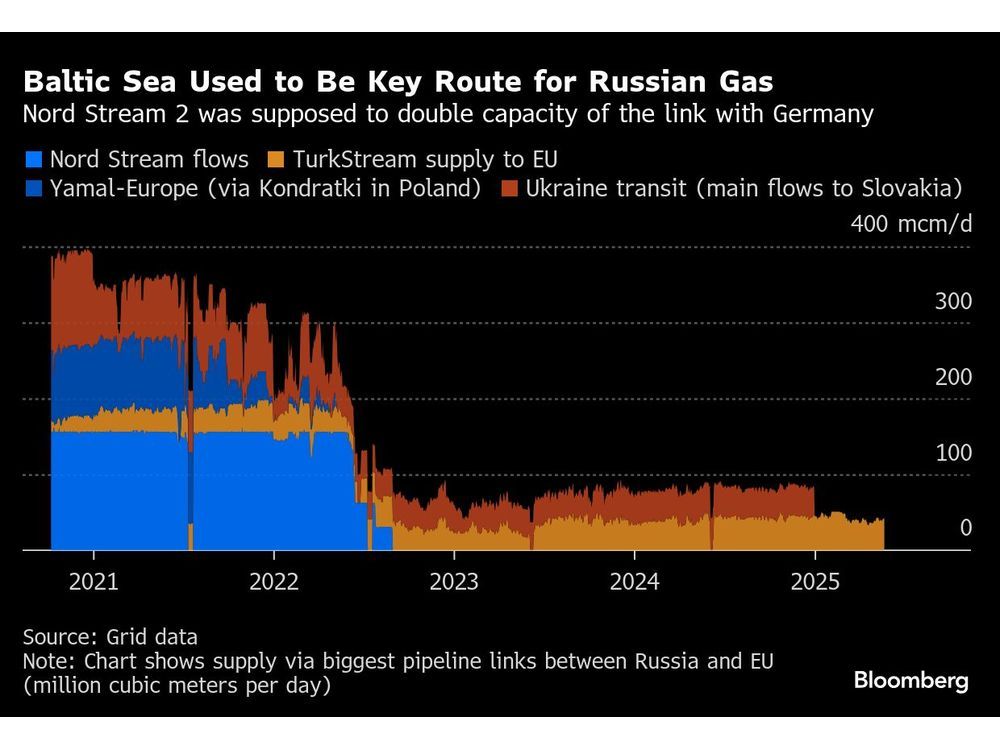
Beyond the SWIFT measures, the EU is also considering lowering the price cap on Russian oil. The current price cap was introduced to limit Russia’s revenue from oil exports, a critical component of its economy. By lowering this cap, the EU hopes to further diminish Russia’s financial capabilities. Moreover, there are proposals to ban the Nord Stream gas pipelines, which are crucial for transporting Russian natural gas to Europe. This ban would not only impact Russia’s energy exports but also force European countries to seek alternative, potentially more expensive, energy sources.
European Union’s Strategy and Potential Challenges
The EU’s strategy with these new sanctions is to maximize pressure on Russia while minimizing the economic fallout for its member states. However, this approach comes with significant challenges. The EU must balance its desire to support Ukraine with the potential economic costs of these sanctions, both for itself and for the global economy. Furthermore, there’s a delicate geopolitical dance at play, as the EU seeks to maintain unity among its member states while negotiating with other global powers.
The Global Implications of Enhanced Sanctions
The imposition of these sanctions would have far-reaching global implications. Energy markets would likely experience volatility, potentially leading to increased prices and concerns over supply security. The global financial system could also feel the effects, as SWIFT’s universal reach means that any significant disruption could have unforeseen consequences. Moreover, the broader geopolitical landscape could shift, affecting international relations and global stability.
Conclusion and Future Prospects
As the EU weighs the imposition of these new sanctions, it stands at a critical juncture. The decision to remove Russian banks from SWIFT, adjust the oil price cap, and potentially ban the Nord Stream pipelines will have significant repercussions. The path forward is fraught with complexity, requiring careful consideration of the economic, political, and social impacts. The EU’s actions will undoubtedly send a strong message to Russia, but the ultimate outcome remains uncertain, influenced by a myriad of factors both within and beyond the EU’s control.
In conclusion, the EU’s consideration of enhanced sanctions against Russia marks a pivotal moment in the ongoing conflict. The measures under consideration are designed to exert maximum pressure on Russia while navigating the intricate landscape of global finance and geopolitics. As the situation evolves, one thing is clear: the stakes are high, and the world watches with bated breath.
Michael Saylor Projects Bitcoin to Surge 30% Annually for the Next Two Decades
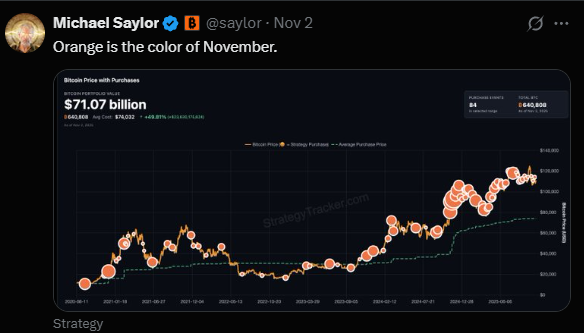
Bitcoin evangelist and MicroStrategy co-founder Michael Saylor has made yet another bold prediction for the world’s leading cryptocurrency. Speaking in a recent interview, Saylor forecasted that Bitcoin could appreciate by 30% per year over the next 20 years, a claim that has reignited bullish sentiment among crypto investors.

According to Saylor’s projection, a $10,000 investment today could grow to nearly $1.9 million by 2045, assuming the compound annual growth rate holds steady. He reiterated his long-standing belief that Bitcoin is the “ultimate store of value” and a superior alternative to traditional assets like gold or fiat currencies.
Saylor’s optimism comes as institutional adoption continues to expand, with major financial firms exploring Bitcoin-related products and ETFs. Critics, however, remain skeptical, citing market volatility and regulatory uncertainty as potential barriers to such sustained growth.
Still, Saylor appears unfazed. “Time is on Bitcoin’s side,” he said, emphasizing that long-term holders will be the ultimate beneficiaries of the digital revolution.
”
South Korea’s Factory Activity Contracts Again as New Orders Plunge
South Korea’s factory activity has shrunk for the second consecutive month, with new orders suffering their steepest slump in five years, according to a closely watched purchasing managers’ index (PMI) report. The latest data suggests that the country’s manufacturing sector is facing significant challenges, which could have far-reaching implications for the overall economy.
The PMI report, released recently, showed that the headline index fell to 47.3 in August from 48.2 in July, marking the second consecutive month of contraction. A reading below 50 indicates a decline in factory activity. The decline was largely driven by a sharp drop in new orders, which fell at the fastest pace in five years. This downturn was attributed to weaker demand from both domestic and international markets.
New Orders Suffer Steepest Slump in Five Years
The new orders index plunged to 44.8 in August, down from 48.5 in July, marking the largest decline since 2018. This sharp drop suggests that manufacturers are facing significant challenges in securing new business, which could have a ripple effect on production levels and employment in the sector. The decline in new orders was broad-based, with both domestic and export orders falling at a rapid pace.
Export Orders Decline as Global Demand Weakens
The export orders index fell to 45.1 in August, down from 49.1 in July, as global demand for South Korean goods continues to weaken. This decline is likely due to a combination of factors, including trade tensions, a slowdown in major economies, and a stronger won, which makes South Korean exports less competitive in the global market.
The manufacturing sector’s struggles are likely to have a significant impact on South Korea’s overall economic growth. The country’s economy has been facing challenges in recent months, including a decline in exports and a slowdown in domestic consumption. The latest PMI data suggests that these challenges are likely to persist in the coming months.
Factory Activity Faces Challenges as Global Economic Growth Slows
The global economic growth slowdown has been a major challenge for South Korea’s manufacturing sector. The country’s economy is heavily reliant on exports, and a decline in global demand has had a significant impact on factory activity. The ongoing trade tensions between major economies have also contributed to the decline in factory activity, as they have disrupted global supply chains and reduced demand for South Korean goods.
The South Korean government has been implementing measures to support the manufacturing sector, including monetary policy easing and fiscal stimulus packages. However, these measures are yet to show a significant impact on factory activity. The latest PMI data suggests that more needs to be done to support the sector and prevent a further decline in factory activity.
In conclusion, South Korea’s factory activity has contracted for the second consecutive month, driven by a sharp decline in new orders. The manufacturing sector is facing significant challenges, including weaker demand from both domestic and international markets. The global economic growth slowdown and trade tensions have also contributed to the decline in factory activity. The government will need to take further measures to support the sector and prevent a further decline in factory activity.

“
BYD Intensifies China’s EV Price War, Leaving Investors Concerned
The electric vehicle (EV) market in China has been experiencing a fierce price war, with several manufacturers slashing prices to gain a competitive edge. BYD, one of China’s leading EV producers, has just fired another shot in this ongoing battle, leaving investors worried about the potential consequences. This move is expected to have far-reaching implications for the industry, affecting not only BYD’s competitors but also the overall market dynamics.
The Price War Heats Up
BYD’s latest pricing strategy involves offering significant discounts on some of its popular models, making them more attractive to price-sensitive consumers. This decision comes as the company faces increased competition from other EV manufacturers, including Tesla, which has been aggressively expanding its presence in China. The price cuts are seen as a bold move by BYD, aimed at maintaining its market share and sales momentum in the face of growing competition.
Investors Worry About Profitability
While BYD’s price cuts may help the company maintain its sales volume, investors are concerned about the potential impact on its profitability. Reducing prices can lead to lower revenue and profit margins, especially if the company is unable to offset the losses through increased sales volume. This concern is not unique to BYD, as many EV manufacturers have struggled to balance their pricing strategies with the need to maintain profitability.
The EV industry has been characterized by high research and development costs, as well as significant investments in manufacturing capacity and technology. As a result, many companies have relied on government incentives and subsidies to remain profitable. However, with the Chinese government gradually phasing out these incentives, manufacturers are under pressure to adapt their business models and pricing strategies to ensure long-term sustainability.
The Competitive Landscape
China’s EV market has become increasingly crowded, with numerous domestic and international players vying for market share. Tesla, in particular, has been a major disruptor in the market, pushing prices down and forcing local manufacturers to respond. BYD’s price cuts can be seen as a reaction to Tesla’s aggressive pricing strategy, as well as a move to protect its market share from other Chinese EV producers.
The competitive landscape is further complicated by the presence of new entrants, including tech giants like Xiaomi and Huawei, which have announced plans to enter the EV market. These companies bring significant resources and expertise to the table, which could further intensify competition and put pressure on established players like BYD.
The Road Ahead
As the EV price war continues to escalate, industry observers are closely watching BYD’s next moves. The company’s ability to balance its pricing strategy with profitability will be crucial in determining its long-term success. Moreover, the impact of BYD’s price cuts on the broader market remains to be seen, with some analysts predicting a potential wave of consolidation among smaller EV manufacturers.
In conclusion, BYD’s recent price cuts have sent shockwaves through China’s EV market, leaving investors worried about the potential consequences. While the move may help the company maintain its sales momentum, it also raises concerns about profitability and the sustainability of the business model. As the EV market continues to evolve, one thing is certain – only those players that can adapt to changing market conditions and balance their pricing strategies with profitability will emerge as winners in the long run.
The ongoing price war in China’s EV market is a complex issue, influenced by a range of factors, including government policies, technological advancements, and shifting consumer preferences. As the industry continues to mature, it is likely that we will see further consolidation and innovation, with companies like BYD at the forefront of this transformation.
“}

Trump Pushes to Abolish Filibuster Amid Government Shutdown

Michael Saylor Predicts Bitcoin Will Rise 30% Per Year

Australia Defense Strategy



Trump Pushes to Abolish Filibuster Amid Government Shutdown
Michael Saylor Predicts Bitcoin Will Rise 30% Per Year