
Finance
Bank of America Trims iShares Morningstar MidCap ETF Stake


“
Bank of America Corp DE Trims Stock Position in iShares Morningstar MidCap ETF NYSEARCAIMCB
In a recent filing with the Securities and Exchange Commission (SEC), it was disclosed that Bank of America Corp DE has reduced its stake in the iShares Morningstar Mid-Cap ETF (NYSEARCA:IMCB). The adjustment was made during the fourth quarter, as per the company’s Form 13F filing. According to the filing, Bank of America Corp DE decreased its holdings in the ETF by 1.1%. This move is notable as it reflects the bank’s strategic decisions regarding its investment portfolio.
Understanding the iShares Morningstar Mid-Cap ETF
The iShares Morningstar Mid-Cap ETF is designed to track the performance of the Morningstar Mid-Cap Index. This index comprises mid-cap stocks that are characterized by their growth and value characteristics. By investing in this ETF, investors gain exposure to a diversified portfolio of mid-cap companies, which can potentially offer a balance between growth opportunities and relatively lower volatility compared to smaller-cap stocks.
Significance of Bank of America’s Investment Adjustment
Bank of America Corp DE’s decision to trim its position in the iShares Morningstar Mid-Cap ETF could be interpreted in several ways. On one hand, it might indicate a cautious stance towards the mid-cap segment due to market conditions or expectations of future market movements. On the other hand, it could simply be a part of the bank’s overall investment strategy, adjusting its portfolio to align with its risk tolerance and investment objectives.
The Form 13F filing, which disclosed this information, is a quarterly report filed by institutional investment managers with the SEC, listing their equity holdings. These filings provide valuable insights into the investment activities of major financial institutions like Bank of America Corp DE, offering a snapshot of their portfolio adjustments and strategic investment decisions.
Investors and market watchers closely monitor these filings for clues about market trends and the investment strategies of significant market players. The adjustments made by influential investors can sometimes signal broader market sentiments or shifts in investment preferences.
In the context of the broader market, the mid-cap segment has been a focal point for investors seeking a balance between the growth potential of smaller companies and the stability associated with larger-cap stocks. ETFs like the iShares Morningstar Mid-Cap ETF offer a convenient way to gain diversified exposure to this segment, making them popular among investors.
The implications of Bank of America Corp DE’s reduced holding in the iShares Morningstar Mid-Cap ETF will likely be analyzed by investors and analysts in the context of the bank’s overall investment strategy and market conditions. As with any investment decision, understanding the rationale behind such adjustments requires a nuanced view of the investor’s goals, risk appetite, and market outlook.
For investors considering the iShares Morningstar Mid-Cap ETF or similar investment products, it’s essential to evaluate their own investment objectives, risk tolerance, and time horizon. Diversification remains a key principle in investment strategies, and ETFs can be a valuable tool in achieving a diversified portfolio.
As the investment landscape continues to evolve, the decisions made by major financial institutions like Bank of America Corp DE can provide insights into market trends and investment preferences. Monitoring these developments can be crucial for investors seeking to make informed decisions.
”
ASX Set to Rise as Wall Street Advances, Oil Surges
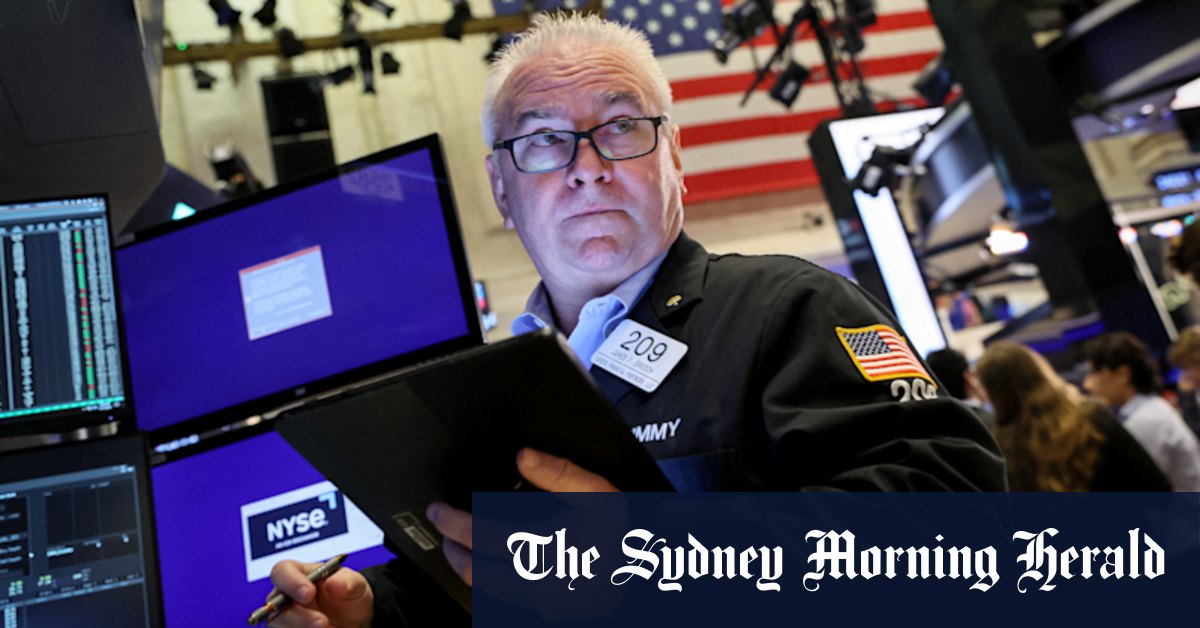
The Australian Securities Exchange (ASX) is poised to open higher today, following a strong lead from Wall Street overnight. The Dow Jones Industrial Average and S&P 500 indices surged, driven by a significant jump in oil prices. This uptick in oil prices has had a ripple effect, boosting energy stocks and contributing to the overall positive sentiment in the market.
Wall Street’s Strong Performance
On Wall Street, the Dow Jones Industrial Average rose by 1.2%, while the S&P 500 gained 1.1%. The tech-heavy Nasdaq Composite index also saw a significant increase, climbing 1.0%. This strong performance was largely driven by the energy sector, which saw a substantial surge in oil prices. The West Texas Intermediate (WTI) crude oil price jumped 3.5%, while the Brent crude oil price increased by 3.2%.
Oil Price Surge
The surge in oil prices can be attributed to several factors, including a decline in US crude inventories and concerns over potential disruptions to global oil supplies. The energy sector was the top performer on Wall Street, with major oil companies such as ExxonMobil and Chevron seeing significant gains. This increase in oil prices has also had a positive impact on the Australian energy sector, with stocks such as Woodside Petroleum and Santos likely to benefit from the higher oil price.
The ASX is expected to open higher today, with the benchmark S&P/ASX 200 index likely to rise by 0.5%. This positive start is expected to be driven by the strong performance of the energy sector, as well as gains in other sectors such as financials and technology. However, investors are advised to remain cautious, as global economic concerns and geopolitical tensions continue to pose risks to market stability.
Market Outlook
Looking ahead, market participants are closely watching several key events that could impact market sentiment. These include the release of US inflation data, which could provide further insight into the trajectory of interest rates. Additionally, investors are monitoring the ongoing trade tensions between the US and China, as well as the COVID-19 pandemic, which continues to pose risks to global economic growth.
In terms of sector performance, the financial sector is expected to be in focus today, with several major banks and financial institutions set to release their quarterly earnings reports. This could provide further insight into the health of the financial sector and potentially impact market sentiment.
Key Stocks to Watch
Several key stocks are expected to be in focus today, including major energy companies such as Woodside Petroleum and Santos. Additionally, investors are likely to be watching stocks such as Commonwealth Bank, Westpac, and ANZ Banking, which are set to release their quarterly earnings reports. Technology stocks such as Afterpay and Zip Co are also expected to be in focus, following recent developments in the sector.
Overall, the ASX is expected to open higher today, driven by a strong lead from Wall Street and a surge in oil prices. However, investors are advised to remain cautious, as global economic concerns and geopolitical tensions continue to pose risks to market stability.

”
The Financial Squeeze on American Consumers: A Closer Look
The economic landscape in the United States is presenting a challenging picture for consumers. Rising costs of living, stagnant wages, and increasing debt are cumulatively exerting pressure on household budgets. This article aims to dissect the financial strain on American consumers through four key charts, shedding light on the current state of affairs and what it means for the future.
Earnings vs. Expenses: A Growing Gap
One of the most telling indicators of financial stress is the gap between earnings and expenses. Over the past few decades, wages have not kept pace with the increasing costs of living. This discrepancy has led to a significant portion of American consumers feeling the pinch. As prices for essentials like housing, food, and healthcare continue to rise, the average household income struggles to keep up, resulting in a considerable squeeze on disposable income.
The Increasing Burden of Debt
Another critical factor contributing to the financial strain on consumers is the mounting level of debt. Credit card balances, student loans, and mortgages have reached unprecedented levels, leaving many households walking a tightrope of financial obligations. The stress of managing these debts, coupled with the anxiety of making ends meet, has become a daily reality for an increasing number of Americans. The chart below illustrates the surge in household debt over recent years, highlighting a trend that shows no signs of reversing.
The data paints a concerning picture: consumer debt is not only rising but is also becoming increasingly difficult to manage. With interest rates fluctuating and economic uncertainty lingering, the situation appears poised to worsen before it can improve. This scenario underscores the need for effective financial management strategies at both the individual and policy levels.
Saving for the Future: A Diminishing Priority
The financial squeeze is not only affecting current spending power but also impinging on the ability of consumers to save for the future. Retirement accounts, emergency funds, and other savings goals are often the first to be compromised when financial pressures mount. The consequence is a population that is increasingly unprepared for the long term, heightening vulnerability to financial shocks.
Changing Spending Habits: A Shift Towards Necessities
In response to tightening budgets, American consumers are altering their spending habits. There is a notable shift towards essentials, with discretionary spending seeing a decline. This adjustment reflects a broader change in consumer behavior, driven by the need to prioritize necessities over luxuries. The implications of this shift are far-reaching, influencing various sectors of the economy and prompting businesses to adapt to changing demands.
The adjustment in spending patterns also signals a potential slowdown in economic growth, as consumer spending is a significant driver of the U.S. economy. As consumers focus on making ends meet and securing their financial footing, the ripple effects will likely be felt across industries, from retail to real estate.
Policy Responses and Future Outlook
The financial strain on American consumers has not gone unnoticed by policymakers. Various proposals aimed at alleviating the pressure, such as adjustments to tax policies, enhancements to social welfare programs, and measures to control inflation, are being considered. The effectiveness of these interventions will be crucial in determining the trajectory of consumer financial health in the coming years.
The situation facing American consumers is complex and multifaceted. While there are no easy solutions, a combination of prudent financial planning, policy interventions, and economic adjustments could help mitigate the current challenges. As the situation continues to evolve, one thing is clear: the financial well-being of consumers will remain a critical factor in the overall health of the U.S. economy.
In conclusion, the financial squeeze on American consumers is a pressing issue that warrants close attention. Through a deeper understanding of the trends and factors at play, as illustrated by the four charts, it becomes evident that a comprehensive approach is needed to address these challenges. By fostering a more stable economic environment and supporting consumers in managing their finances, there is hope for a more secure financial future for all.

”
Soaring U.S. Debt: A Global Market Threat?
The United States’ ever-increasing national debt has long been a topic of concern for economists and policymakers. While the country’s debt has been rising steadily over the years, recent warnings from the Institute of International Finance (IIF) suggest that the situation is more pressing than ever. According to the IIF, the soaring U.S. debt not only poses significant risks to America but also threatens to trigger a global market contagion.
A Growing Concern
The U.S. national debt has been on an upward trajectory for decades, with the country’s debt ceiling being raised numerous times to accommodate the growing obligations. Currently, the U.S. debt stands at over $28 trillion, with some estimates suggesting that it could reach $30 trillion by the end of the year. While the U.S. has managed to service its debt so far, the IIF warns that the situation is becoming increasingly unsustainable.
The Risks of a Debt Crisis
A debt crisis occurs when a country is unable to meet its debt obligations, leading to a loss of confidence in the market. This can have severe consequences, including a sharp decline in asset values, a freeze in credit markets, and a subsequent economic downturn. The IIF warns that a U.S. debt crisis could have far-reaching consequences, not just for the American economy but also for global markets.
The interconnectedness of global markets means that a crisis in one country can quickly spread to others. In the case of the U.S., a debt crisis could trigger a flight to safety, leading to a sharp appreciation of the dollar and a decline in asset values worldwide. This, in turn, could lead to a global credit crunch, making it more difficult for businesses and governments to access funding.
A Global Contagion?
The IIF’s warning is not without merit. History has shown that a debt crisis in one country can have significant spillover effects on other economies. The 2008 global financial crisis, for example, was triggered by a housing market bubble in the U.S. that burst, leading to a global credit crisis. Similarly, the European sovereign debt crisis that began in 2010 had far-reaching consequences for economies across the continent.
In the event of a U.S. debt crisis, countries with significant dollar reserves and trade relationships with the U.S. could be particularly vulnerable. This includes countries such as China, Japan, and the United Kingdom, which have significant exposure to U.S. Treasury markets. A decline in the value of U.S. assets could lead to a decline in the value of these countries’ reserves, potentially triggering a global market sell-off.
Mitigating the Risks
While the risks associated with a U.S. debt crisis are significant, there are steps that can be taken to mitigate them. The IIF recommends that policymakers take a proactive approach to addressing the country’s debt obligations, including implementing fiscal reforms and investing in growth-enhancing initiatives. Additionally, the development of more robust financial markets and a strengthening of international cooperation could help reduce the risks associated with a global market contagion.
In conclusion, the soaring U.S. debt poses significant risks to America and the global economy. While the situation is concerning, it is not too late for policymakers to take action to address the country’s debt obligations and mitigate the risks of a global market contagion. As the IIF warns, the clock is ticking, and it is imperative that policymakers act swiftly to prevent a crisis that could have far-reaching consequences for economies worldwide.
The U.S. government must prioritize fiscal responsibility and take proactive steps to address the country’s debt obligations. This includes implementing reforms to reduce spending and investing in growth-enhancing initiatives that can help boost economic growth. Additionally, the development of more robust financial markets and a strengthening of international cooperation can help reduce the risks associated with a global market contagion.
Ultimately, the fate of the global economy hangs in the balance, and it is up to policymakers to take action to prevent a crisis that could have severe and far-reaching consequences. The IIF’s warning serves as a wake-up call for policymakers to take proactive steps to address the country’s debt obligations and prevent a global market contagion.
”
}
`

Trump Pushes to Abolish Filibuster Amid Government Shutdown

Michael Saylor Predicts Bitcoin Will Rise 30% Per Year

Australia Defense Strategy



Trump Pushes to Abolish Filibuster Amid Government Shutdown
Michael Saylor Predicts Bitcoin Will Rise 30% Per Year