
Politics
US Military Strength Under Trump Presidency

“
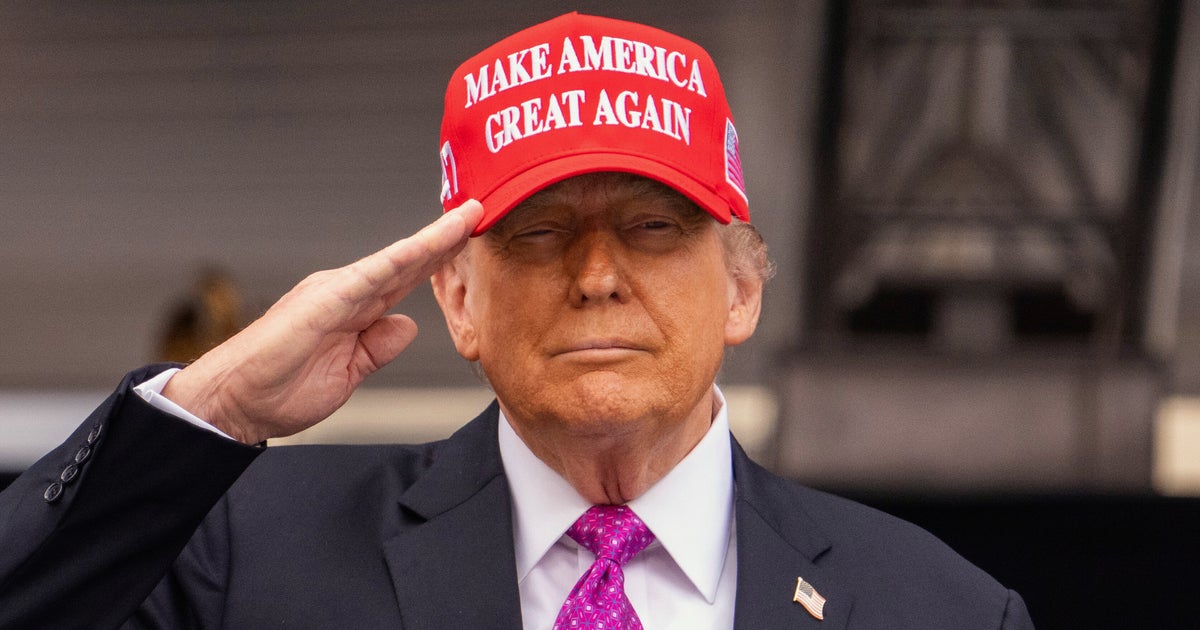
Trump Takes Credit For U.S. Military Might In West Point Commencement Address
In a recent address at the United States Military Academy at West Point, President Donald Trump highlighted the unprecedented strength of the U.S. military, taking credit for the significant advancements made during his presidency. The commencement ceremony, which marked a pivotal moment for the graduating class of cadets, was attended by the President and First Lady Melania Trump. During his speech, Trump emphasized the critical role his administration has played in bolstering the nation’s military capabilities, asserting that his policies have led to an era of unparalleled military prowess.
Bolstering Military Strength
According to President Trump, the surge in military might can be directly attributed to his leadership and the policies implemented by his administration. He pointed out that the U.S. military has undergone significant transformations, including a substantial increase in defense spending, modernization of equipment, and improvements in the welfare of service members. These initiatives, Trump argued, have not only enhanced the military’s operational capabilities but also improved the quality of life for those serving in the armed forces.
Modernization and Expansion
The President elaborated on the extensive modernization efforts undertaken by his administration, highlighting the introduction of cutting-edge technology and advanced weaponry. He mentioned the development and deployment of new aircraft, naval vessels, and ground systems designed to ensure that the U.S. military maintains its edge over potential adversaries. Additionally, Trump spoke about the expansion of the military’s cyber and space capabilities, recognizing the evolving nature of modern warfare and the importance of dominance in these domains.
Investment in Personnel
Trump also emphasized his administration’s commitment to investing in the men and women who serve in the U.S. military. He noted that significant increases in pay, improvements in healthcare services, and enhancements in educational benefits have been implemented to support service members and their families. These measures, according to the President, are a testament to the nation’s appreciation for their sacrifices and dedication.
Historical Context and Comparisons
Drawing comparisons with past administrations, Trump suggested that his efforts to strengthen the military have been more comprehensive and impactful than those of his predecessors. He cited specific examples of military hardware and strategic initiatives that have been prioritized under his watch, implying that these actions have positioned the U.S. military for success in the contemporary security environment. The President’s remarks sparked a mix of reactions, with supporters lauding his commitment to national defense and critics questioning the politicization of military achievements.
Criticisms and Controversies
Despite Trump’s assertions of a stronger military, some analysts and politicians have raised concerns about the long-term sustainability of the current defense strategy. They argue that while immediate enhancements in military capabilities are apparent, the approach may not adequately address deeper structural issues within the Department of Defense. Furthermore, there have been debates regarding the allocation of resources and the balance between modernization efforts and the welfare of service members.
Looking Forward
As the U.S. military continues to evolve in response to global challenges, the legacy of Trump’s presidency on military affairs will likely remain a topic of discussion. The President’s focus on military strength as a cornerstone of national security aligns with a broader debate about the role of the United States on the world stage. Moving forward, the trajectory of U.S. military might will depend on a range of factors, including policy decisions, technological advancements, and the geopolitical landscape.
In conclusion, President Trump’s address at West Point underscored his administration’s achievements in strengthening the U.S. military, a theme that resonates with ongoing discussions about national defense. While opinions on the effectiveness and implications of these policies vary, the current state of the military reflects a period of significant investment and transformation. As the nation looks to the future, the enduring impact of these efforts will be closely watched by both domestic and international observers.

The Filibuster Debate Intensifies in the U.S. Senate
The United States Senate is currently facing a critical crossroads, as former President Donald Trump has urged Republican lawmakers to abolish the filibuster, a long-standing procedural rule that has historically allowed the minority party to delay or block legislation. This call comes as the U.S. government enters its longest-ever shutdown, with gridlock in Congress stalling critical budget negotiations.
Trump’s Call for Action
In a bold move, Trump has called on Senate Republicans to remove the filibuster, arguing that it is an obstacle to passing important legislation swiftly. According to Trump, the rule’s requirement for a 60-vote supermajority to advance most legislation has paralyzed the government, particularly during times of national crisis like the ongoing shutdown. By eliminating the filibuster, Trump believes Republicans could pass key policies with a simple majority vote, cutting through the legislative deadlock.

The Republican Response
However, not all Republican leaders are on board with Trump’s proposal. Senate Minority Leader John Thune and other senior Republicans have expressed strong opposition to ending the filibuster. They argue that it serves as a critical check on majoritarian power, ensuring that significant changes to the law have broad bipartisan support. Without the filibuster, these leaders fear that the minority party would be left powerless to block potentially harmful legislation when the balance of power shifts.
What This Means for the Future of U.S. Politics
The debate over the filibuster has profound implications for the future of U.S. governance. If the filibuster is abolished, the Senate could see a shift toward a more majoritarian system, with laws being passed by a simple majority. While this could speed up the legislative process, critics warn that it could also lead to more extreme policies being enacted without compromise.
The shutdown currently affecting the federal government underscores the urgency of this issue. With the current gridlock showing no signs of resolution, the fate of the filibuster could very well determine how future crises are managed and how quickly the government can respond to national challenges.
Conclusion: A Turning Point for the Senate
The ongoing discussions about the filibuster are not just about a legislative rule; they are about the very nature of governance in the U.S. Senate. The question is whether the Senate will maintain its commitment to bipartisan compromise or move toward a more polarized, majoritarian approach. As the debate continues, the nation watches closely to see what will happen next in the evolving landscape of American politics.
“
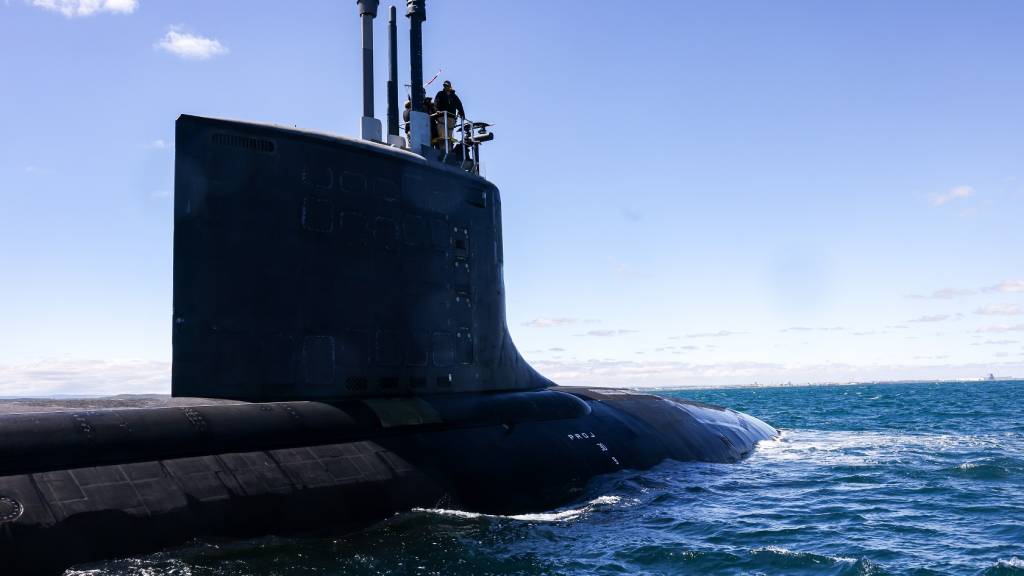
Nuclearsubmarines will do nothing to protect Australian trade if war breaks out
The recent announcement of Australia’s plans to acquire nuclear-powered submarines has sparked intense debate about the country’s defense strategy. While the submarines are touted as a game-changer for Australia’s military capabilities, there are concerns that they may not be effective in protecting the country’s trade interests in the event of a war.
The Limitations of Nuclear Submarines
Nuclear-powered submarines are undoubtedly a significant advancement in naval technology. They offer greater speed, stealth, and endurance compared to conventional diesel-electric submarines. However, their ability to protect Australian trade is limited by several factors. For instance, the submarines will primarily be deployed in the Asia-Pacific region, which is a critical trade route for Australia. However, in the event of a conflict, the submarines’ primary focus will be on engaging enemy naval vessels and protecting Australian military assets, rather than specifically safeguarding trade routes.
The Threat to Australian Trade
Australia’s economy is heavily reliant on international trade, with a significant portion of its goods and services being transported by sea. Any disruption to these trade routes could have severe economic consequences. In the event of a war, Australia’s trade routes could be threatened by enemy naval forces, piracy, or even friendly fire. While the nuclear submarines may be able to provide some protection, their capabilities are not specifically designed for this purpose.
The Australian government has emphasized that the nuclear submarines will be used to support the country’s national interests, including the protection of trade routes. However, experts argue that this may not be feasible, given the submarines’ primary role in engaging enemy naval forces. The submarines may not have the necessary capabilities or resources to effectively patrol and protect trade routes, particularly in the vast and complex Asia-Pacific region.
Alternative Solutions for Trade Protection
So, what alternatives could Australia consider to protect its trade interests in the event of a war? One option could be to invest in specialized ships and aircraft designed specifically for maritime security and trade protection. These vessels could be equipped with advanced sensors and communication systems, allowing them to detect and respond to threats to trade routes more effectively.
Another option could be to strengthen international cooperation and diplomacy to prevent conflicts from arising in the first place. By building stronger relationships with neighboring countries and engaging in multilateral dialogues, Australia can help to reduce the risk of conflict and ensure the free flow of trade.
The Need for a Comprehensive Defense Strategy
The debate surrounding Australia’s nuclear submarines highlights the need for a comprehensive defense strategy that takes into account the country’s unique security challenges and economic interests. While the submarines may be a valuable addition to Australia’s military capabilities, they should not be seen as a silver bullet solution to the country’s defense needs.
A comprehensive defense strategy would require a more nuanced approach, taking into account the complexities of modern warfare and the evolving nature of threats to Australian trade and security. This could involve investing in a range of capabilities, from advanced sensors and cyber security systems to specialized ships and aircraft designed for maritime security.
Ultimately, the acquisition of nuclear submarines is just one part of a broader defense strategy that must prioritize the protection of Australian trade and economic interests. By taking a more holistic approach to defense, Australia can ensure that its military capabilities are aligned with its national interests and that its economy is protected in the event of a conflict.
As Australia moves forward with its plans to acquire nuclear submarines, it is essential that the government and defense experts engage in a more nuanced discussion about the country’s defense needs and how they can be met. This will require a careful consideration of the limitations and potential benefits of the submarines, as well as a broader examination of Australia’s defense strategy and its implications for trade and economic security.
In conclusion, while the acquisition of nuclear submarines may be a significant advancement in Australia’s military capabilities, it is essential to recognize their limitations in protecting the country’s trade interests. A more comprehensive defense strategy that takes into account the complexities of modern warfare and the evolving nature of threats to Australian trade and security is needed to ensure the country’s economic security and stability.

”
Bougainville’s Quest for Independence: How China’s Support for a Controversial Mine Could Pave the Way
The Pacific island region of Bougainville has long been a place of turmoil and strife, with its people seeking greater autonomy and potentially even independence from Papua New Guinea. A major development in the region has the potential to significantly impact this quest: a proposed mine that has garnered significant support from China. This article will explore the background of Bougainville’s independence movement, the details of the mine in question, and how China’s involvement could shape the future of the region.
The Background of Bougainville’s Independence Movement
Bougainville, an autonomous region of Papua New Guinea (PNG), has a complex history marked by significant social, economic, and environmental challenges. The island is rich in natural resources, including copper, gold, and nickel, but these riches have not translated into prosperity for its people. Instead, decades of mining have left a legacy of environmental degradation and social unrest. The Bougainville Civil War (1988-1998) was a direct result of these tensions, pitting the Bougainville Revolutionary Army, which sought independence, against the PNG military.
The war ended with the signing of the Bougainville Peace Agreement in 2001, leading to the establishment of the Autonomous Government of Bougainville. A key component of the agreement was a referendum on Bougainville’s future, which took place in 2019. The results showed an overwhelming preference for independence, with 98.3% of voters backing a move towards becoming a sovereign nation. However, the outcome of the referendum is advisory, and the final decision on Bougainville’s status rests with the PNG parliament.
The Panguna Mine: A Source of Contention
The Panguna mine, operated by Rio Tinto until its closure in 1999, was once one of the world’s largest copper and gold mines. Its operations were a central grievance during the civil war, with Bougainvilleans complaining about environmental damage and lack of benefits from the mine. The mine’s legacy continues to affect Bougainville, with unresolved issues around compensation for landowners and environmental rehabilitation.
Recently, there has been interest from Chinese companies in reviving the mine. The proposed redevelopment of Panguna has sparked both hope and concern. Proponents argue that it could provide a significant boost to Bougainville’s economy and fund the costs associated with gaining independence. Critics, however, worry about the environmental and social impacts, fearing a repeat of the past.
China’s Role and Its Implications
China’s interest in the Panguna mine and other resource projects in the Pacific is part of its broader strategy to expand its influence in the region. For Bougainville, Chinese investment could provide much-needed capital for infrastructure and economic development. However, it also raises questions about dependency and the potential for increased Chinese influence in the region’s politics.
The support from China for the controversial mine could pave the way for Bougainville’s independence in several ways. Economically, the revenue generated could give Bougainville the financial autonomy it needs to stand on its own. Politically, China’s backing could provide Bougainville with a stronger negotiating position in its relations with PNG and the international community. However, there are also risks involved, including the potential for environmental degradation and the challenges of managing large-scale mining revenue.
Challenges Ahead
While the prospect of Chinese investment in the Panguna mine presents opportunities, it also comes with significant challenges. Environmental concerns are paramount, given the mine’s troubled history. There are also questions about how revenue from the mine would be managed, to ensure that benefits are equitably distributed and that the mine contributes to sustainable development.
Furthermore, the path to independence for Bougainville is fraught with political hurdles. The PNG government has indicated its willingness to consider the outcome of the referendum but has not committed to granting independence. The process will require careful negotiation and compromise, with the international community likely to play a role in supporting Bougainville’s aspirations while ensuring stability in the region.
Conclusion
The quest for independence in Bougainville is a complex and ongoing process, influenced by both local aspirations and international interests. China’s support for the Panguna mine represents a significant development that could potentially pave the way for Bougainville to achieve its goal of sovereignty. However, it is crucial that all stakeholders proceed with caution, prioritizing sustainable development, environmental protection, and the well-being of the Bougainville people.
As Bougainville moves forward on its path to potential independence, the international community will be watching closely. The situation presents both opportunities and challenges, not just for Bougainville, but also for China and PNG. How these dynamics play out will have significant implications for the region and could serve as a model for other territories seeking greater autonomy or independence.
In the end, the future of Bougainville will be shaped by a combination of local determination, international support, and wise leadership. The road ahead is likely to be long and difficult, but with careful management and a focus on sustainable development, Bougainville could achieve its dream of independence and build a prosperous future for its people.

Trump Pushes to Abolish Filibuster Amid Government Shutdown

Michael Saylor Predicts Bitcoin Will Rise 30% Per Year

Australia Defense Strategy



Trump Pushes to Abolish Filibuster Amid Government Shutdown
Michael Saylor Predicts Bitcoin Will Rise 30% Per Year