
World News
US Judge Orders Trump Administration to Facilitate Return of Deported Guatemalans

“
US Judge Orders Trump Administration to Facilitate Return of Deported Guatemalans
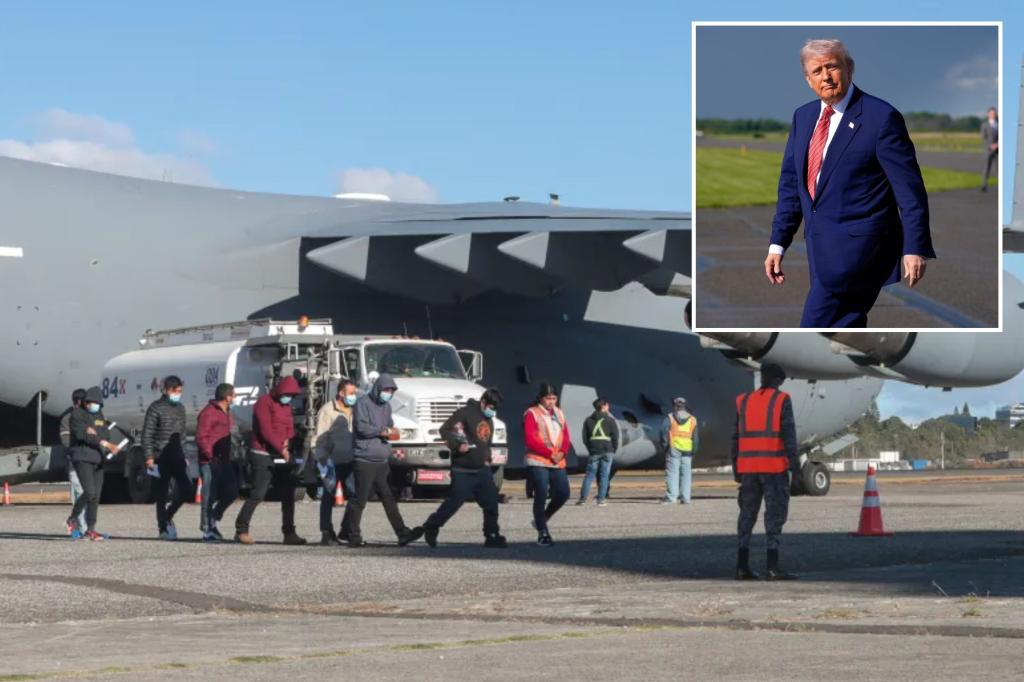
In a significant development, a federal judge in the United States has ordered the Trump administration to facilitate the return of a gay Guatemalan man who was deported to Mexico despite expressing fears of persecution. This decision comes after officials acknowledged that an error had been made in his case, highlighting concerns about the treatment of vulnerable individuals in the immigration system.
The case in question involves a Guatemalan man who identifies as gay. He had been deported to Mexico, a country to which he claimed he would be persecuted due to his sexual orientation. The man’s ordeal began when he was taken into custody by US immigration authorities. Despite his expressed fears, he was deported, sparking outrage and concerns about the handling of similar cases in the future.
Background and Concerns
The Trump administration has faced criticism for its handling of asylum cases, particularly those involving LGBTQ+ individuals. Many have expressed concerns that the administration’s policies have left vulnerable people at risk of persecution and harm. This case has brought renewed attention to these issues, with advocates calling for greater protections and more compassionate treatment of asylum seekers.
The Judge’s Ruling
The federal judge’s order requires the Trump administration to take steps to facilitate the return of the deported Guatemalan man. This decision is a significant development in the case, as it acknowledges that an error was made and that the individual must be given the opportunity to seek protection in the United States. The ruling also underscores the importance of ensuring that vulnerable individuals are not put at risk due to administrative errors or policy decisions.
The judge’s decision was made in response to a lawsuit filed on behalf of the deported man. The lawsuit argued that his deportation was unlawful and that he had been denied his right to seek asylum in the United States. The court ruling is a major victory for the man’s legal team and for advocates who have been pushing for greater protections for LGBTQ+ individuals in the immigration system.
Implications and Future Steps
The implications of this case extend beyond the individual involved. The ruling has significant implications for the Trump administration’s immigration policies, particularly with regard to the treatment of LGBTQ+ individuals. The decision highlights the need for more compassionate and inclusive policies that take into account the unique challenges faced by vulnerable populations.
In response to the ruling, advocacy groups have called for the Trump administration to review its policies and procedures for handling asylum cases. They argue that more needs to be done to ensure that individuals like the deported Guatemalan man are protected and that their rights are respected. The ruling is also likely to have broader implications for the US immigration system, potentially leading to changes in the way that asylum cases are handled in the future.
As the situation continues to unfold, it remains to be seen how the Trump administration will respond to the judge’s order. However, one thing is clear: this case has brought attention to the need for greater protections and more compassionate treatment of vulnerable individuals in the immigration system. It is hoped that this ruling will lead to positive changes and a more just and equitable system for all.
The case also raises questions about the role of the US government in protecting the rights of LGBTQ+ individuals, both domestically and internationally. As the global community continues to grapple with issues of equality and justice, this ruling serves as a reminder of the importance of upholding human rights and dignity.
Moving forward, it will be essential to monitor the situation closely and ensure that the Trump administration complies with the judge’s order. The return of the deported Guatemalan man will be a critical step in resolving this case, but it is only the beginning. Ultimately, this ruling has the potential to drive meaningful change and promote greater justice and equality for all individuals, regardless of their background or identity.












“
Humanitarian Crisis Deepens in Gaza as Aid Trucks Looted
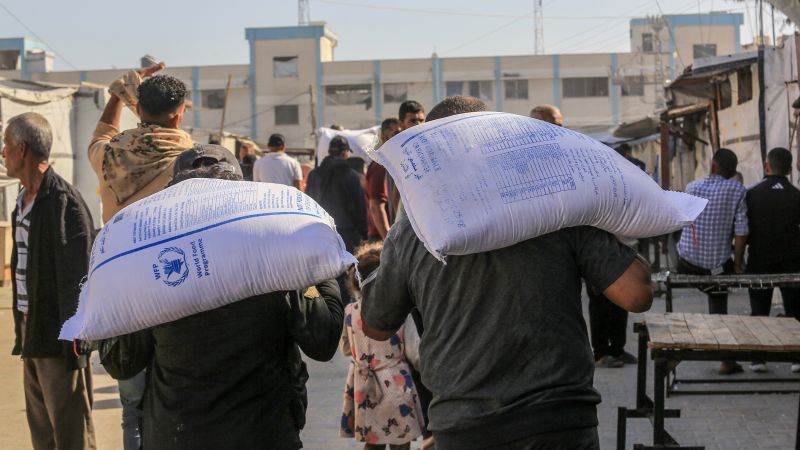
In a devastating blow to the already beleaguered Gaza Strip, nearly 80 aid trucks carrying vital food supplies were ransacked on Saturday, according to the World Food Programme (WFP). This brazen act of desperation has exacerbated the rapidly worsening famine in the region, leaving thousands of innocent civilians on the brink of starvation.
The Looting Incident: A Desperate Cry for Help
The WFP confirmed that a convoy of 80 trucks, laden with essential food supplies, was attacked and looted by desperate residents in Gaza. The aid, intended to alleviate the suffering of those affected by the ongoing conflict, was instead seized by individuals struggling to survive. This chaotic scene underscores the dire humanitarian situation in Gaza, where the breakdown of law and order has reached a critical point.
Aid Efforts Hindered by Ongoing Conflict
The looting of aid trucks is a stark reminder of the challenges faced by humanitarian organizations operating in conflict zones. Despite their best efforts, aid workers are often unable to reach those in need due to security concerns and logistical hurdles. In Gaza, the situation is further complicated by the ongoing conflict, which has resulted in widespread destruction of infrastructure, displacement of civilians, and a severe shortage of essential supplies.
The WFP has expressed deep concern over the incident, highlighting the critical importance of ensuring the safety and security of aid convoys. The organization has called on all parties involved to respect the neutrality of humanitarian operations and to allow aid workers to perform their duties without fear of violence or intimidation.
Famine Worsens in Gaza: A Growing Concern
The looting of aid trucks has significant implications for the already dire humanitarian situation in Gaza. With food supplies dwindling and access to essential services severely limited, the risk of famine has increased exponentially. The WFP has warned that the situation is rapidly spiraling out of control, with thousands of people facing severe food insecurity and malnutrition.
Consequences of Inaction: A Humanitarian Catastrophe
The consequences of inaction will be catastrophic. If the situation is not brought under control, Gaza will be plunged into a humanitarian crisis of epic proportions. The most vulnerable members of society, including children, women, and the elderly, will be disproportionately affected, with potentially devastating consequences for their health, well-being, and future.
The international community has a critical role to play in preventing this humanitarian catastrophe. By providing emergency assistance, supporting humanitarian operations, and advocating for a peaceful resolution to the conflict, it is possible to mitigate the suffering of civilians and restore stability to the region.
Call to Action: Supporting Humanitarian Efforts
As the situation in Gaza continues to deteriorate, it is imperative that the international community rallies to support humanitarian efforts. This includes providing emergency funding, donating essential supplies, and advocating for the protection of civilians and aid workers.
The World Food Programme and other humanitarian organizations are working tirelessly to respond to the crisis, but they require the support of governments, NGOs, and individuals around the world. By working together, it is possible to make a meaningful difference in the lives of those affected by the conflict and to prevent a humanitarian catastrophe of unimaginable proportions.
In conclusion, the looting of nearly 80 aid trucks in Gaza is a stark reminder of the dire humanitarian situation in the region. As the situation continues to worsen, it is imperative that the international community takes immediate action to support humanitarian efforts and prevent a catastrophic famine. The future of thousands of innocent civilians hangs in the balance, and it is our collective responsibility to act.
”
El Chapo’s Former Lawyer and Ex-Drug Smuggler Run to Become Judges in Mexico
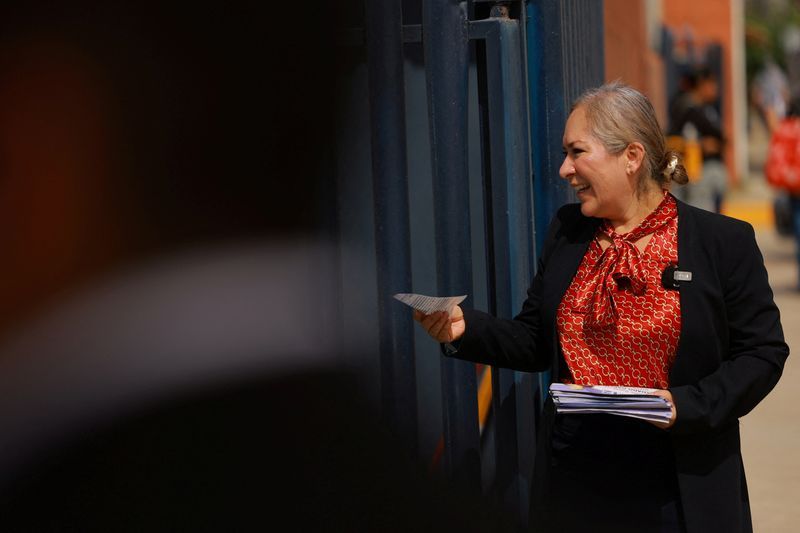
In a shocking turn of events, two individuals with questionable pasts are vying for positions in Mexico’s judiciary. Leopoldo Chavez, once a lawyer for notorious drug lord Joaquin ‘El Chapo’ Guzman, and another ex-drug smuggler are running to become federal judges in the state of Durango. This development comes as Mexico prepares for its first judicial elections, set to take place next weekend.
A Turbulent Past
Leopoldo Chavez’s journey to becoming a judicial candidate is marked by controversy. He served nearly six years in a U.S. prison, a period that significantly shaped his perspective and life choices. Chavez’s association with El Chapo, one of the world’s most infamous drug lords, has raised eyebrows among critics and supporters alike. His candidacy brings to the forefront questions about the rehabilitation and redemption of individuals with criminal ties, and their potential roles in shaping the justice system.
The Road to Redemption
Chavez’s path to redemption began after his release from the U.S. prison. He returned to Mexico and started anew, making a conscious effort to distance himself from his past and contribute positively to society. His decision to run as a federal judge is seen by many as a genuine attempt to make amends and serve the community in a meaningful way. However, skepticism remains high, with many questioning whether someone with his background should be entrusted with a position of such authority.
The Judicial Elections
Mexico’s judicial elections represent a significant milestone in the country’s ongoing efforts to reform its justice system. For the first time, citizens will have the opportunity to directly elect judges and magistrates, a move aimed at increasing transparency and public trust in the judiciary. The elections in Durango, where Chavez and the ex-drug smuggler are candidates, are particularly noteworthy due to the controversial backgrounds of the candidates.
Implications and Concerns
The candidacies of Chavez and the ex-drug smuggler have sparked a national debate about the suitability of individuals with criminal pasts for judicial roles. Supporters argue that everyone deserves a second chance and that Chavez and others like him have shown genuine efforts to rehabilitate and contribute to society. Critics, however, express concerns about the potential for undue influence and the message such appointments could send about the justice system.
Mexico’s Judicial Reform
The push for judicial reform in Mexico is part of a broader effort to address systemic corruption and enhance the rule of law. The country has long struggled with high levels of violence and impunity, issues that have hampered its development and stability. By allowing direct elections of judges, Mexico aims to create a more accountable and transparent judicial system.
The Voting Process
The voting process for the judicial elections is set to take place next weekend. Citizens in Durango and other participating states will head to the polls to cast their ballots for their preferred candidates. The elections are highly anticipated, not just for the candidates’ backgrounds but also for their potential impact on Mexico’s judicial landscape.
Conclusion
As Mexico prepares for its first judicial elections, the candidacies of Leopoldo Chavez and the ex-drug smuggler have ignited a crucial dialogue about redemption, rehabilitation, and the future of the country’s justice system. Regardless of the election’s outcome, the discussions and debates triggered by these candidacies are set to influence Mexico’s path towards judicial reform and the broader goal of achieving a more just and equitable society.
The eyes of the nation and the international community are on Mexico as it takes this significant step towards democratizing its judiciary. The implications of these elections will be far-reaching, offering insights into the country’s commitment to reform and its vision for a more transparent and effective justice system.

Trump Pushes to Abolish Filibuster Amid Government Shutdown

Michael Saylor Predicts Bitcoin Will Rise 30% Per Year

Australia Defense Strategy



Trump Pushes to Abolish Filibuster Amid Government Shutdown
Michael Saylor Predicts Bitcoin Will Rise 30% Per Year